Pull Capacity
Strict reps, scapular control and pulling height.
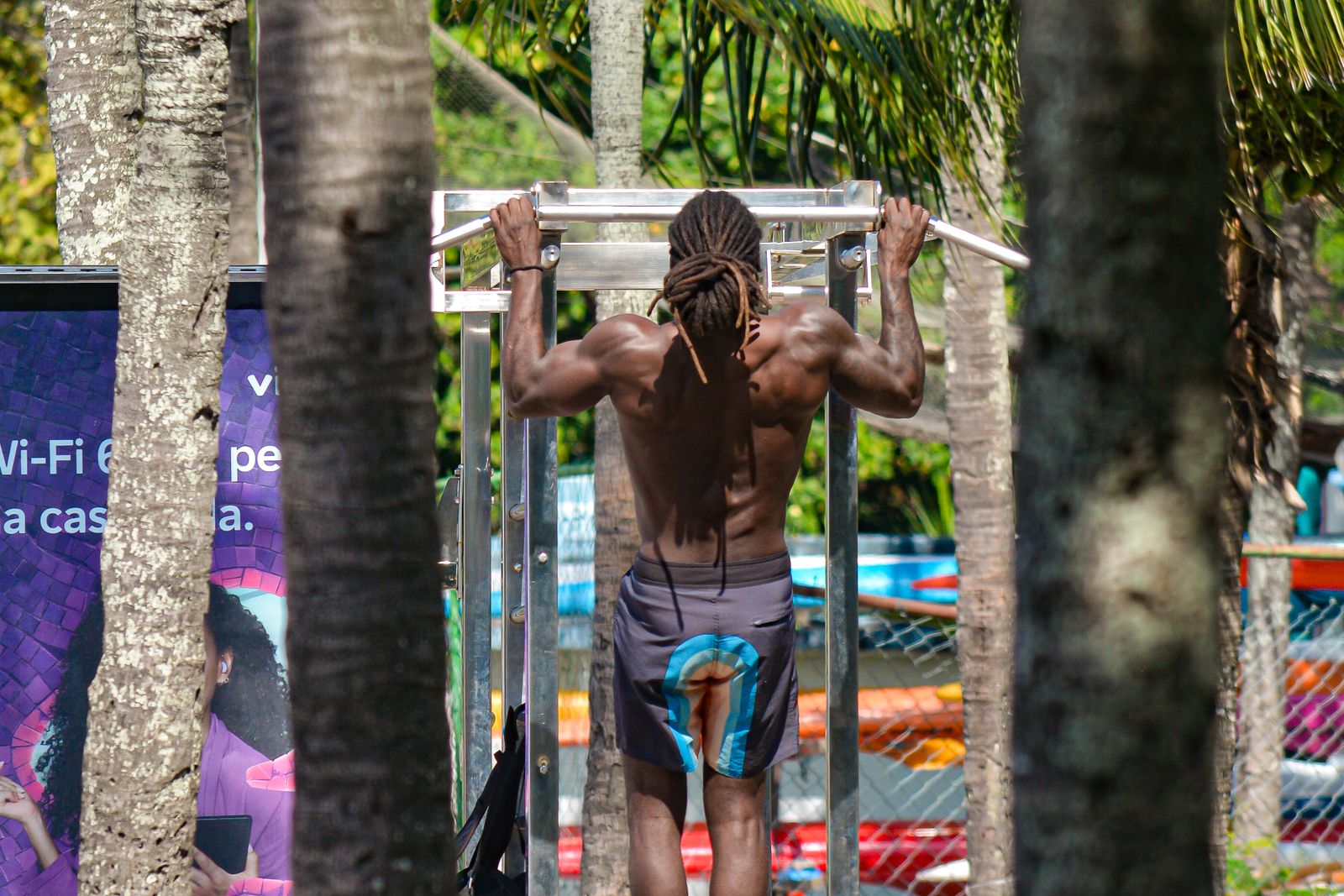
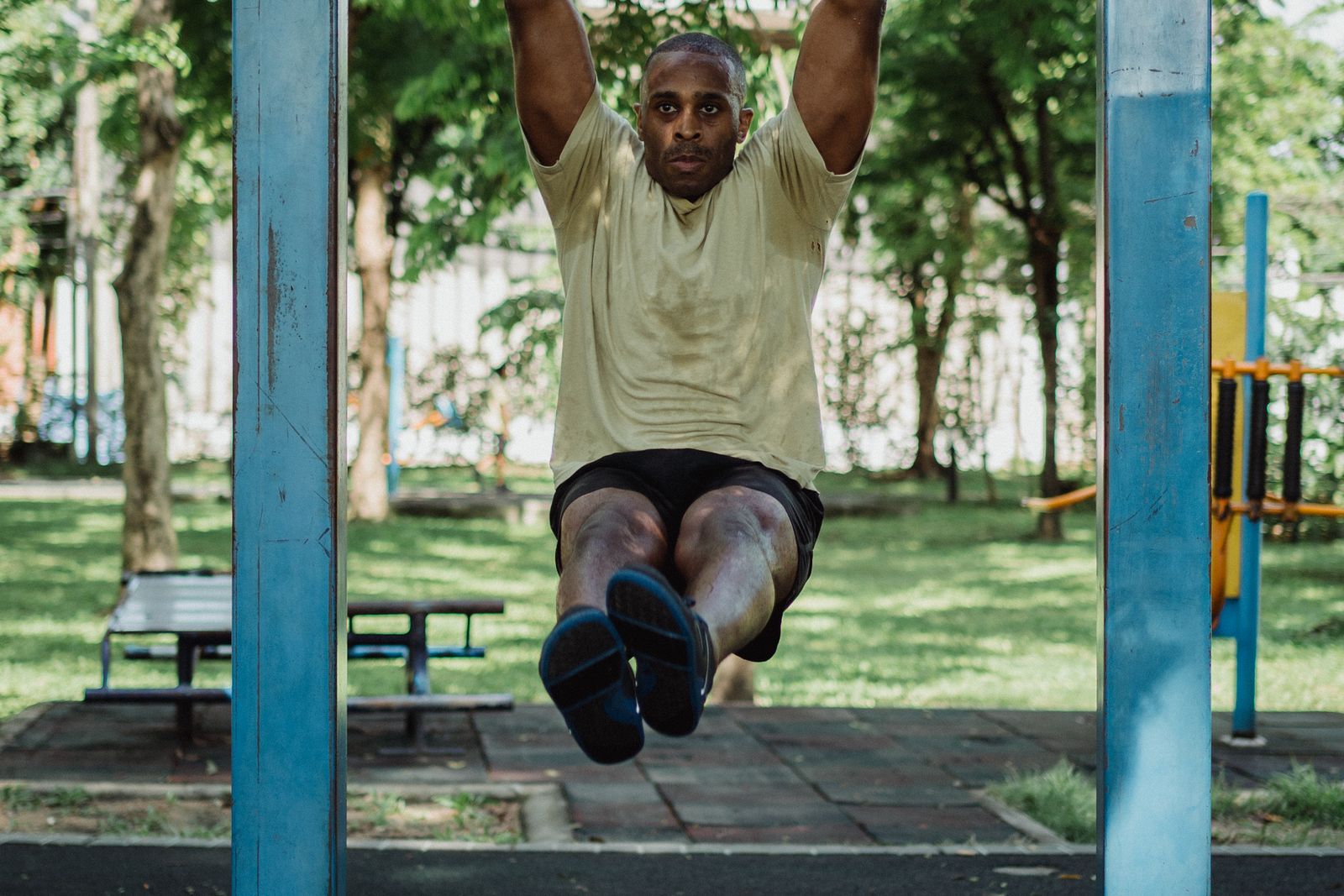
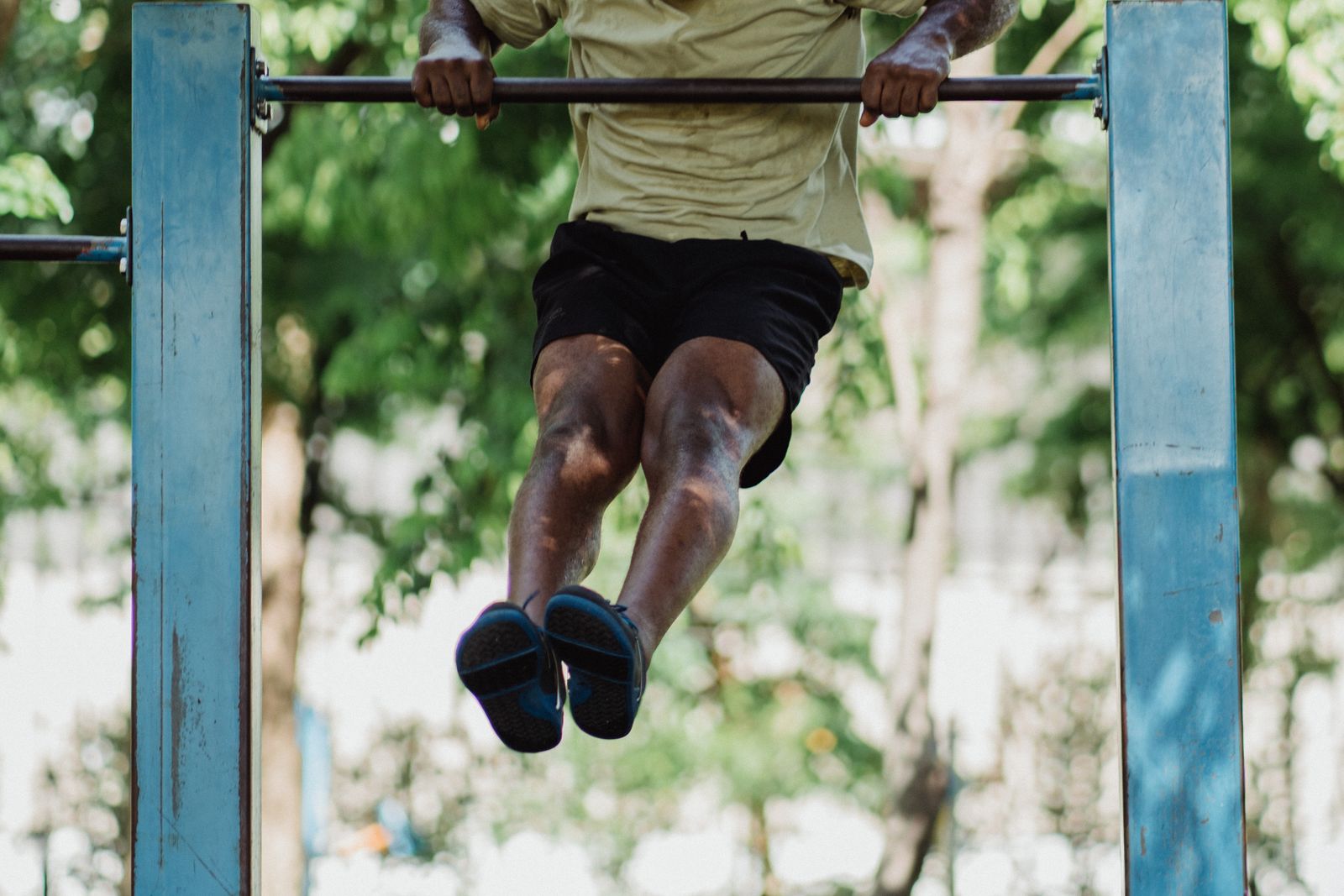
Instead of repeating failed full attempts, coaching separates the movement into strength, position, mobility and timing, then rebuilds the skill around what is actually missing.
Four checks define the first training route.
Strict reps, scapular control and pulling height.
Dip depth, lockout and overhead strength.
Hollow, arch and compression control.
Wrist, shoulder and thoracic range.
Prerequisites, regressions and quality targets make progress measurable instead of random.
Pull height, transition and dip strength.
Line, balance and shoulder control.
Straight-arm pulling and body tension.
Straight-arm pushing and protraction.
Build shoulder elevation, bodyline and entry consistency before demanding long freestanding holds.
Video review, technique cues and program adjustments turn a plateau into a clear next block.
Start a Skill AssessmentProgress only when the base movement stays clean across working sets.
Line and body position must stay stable before difficulty increases.
Progress is useful only when joints and tissues recover well enough to repeat quality work.
The change came from higher pulling strength and fewer failed full attempts, not from adding more random drills.