Simple Priority
Players leave knowing the one thing that matters most.
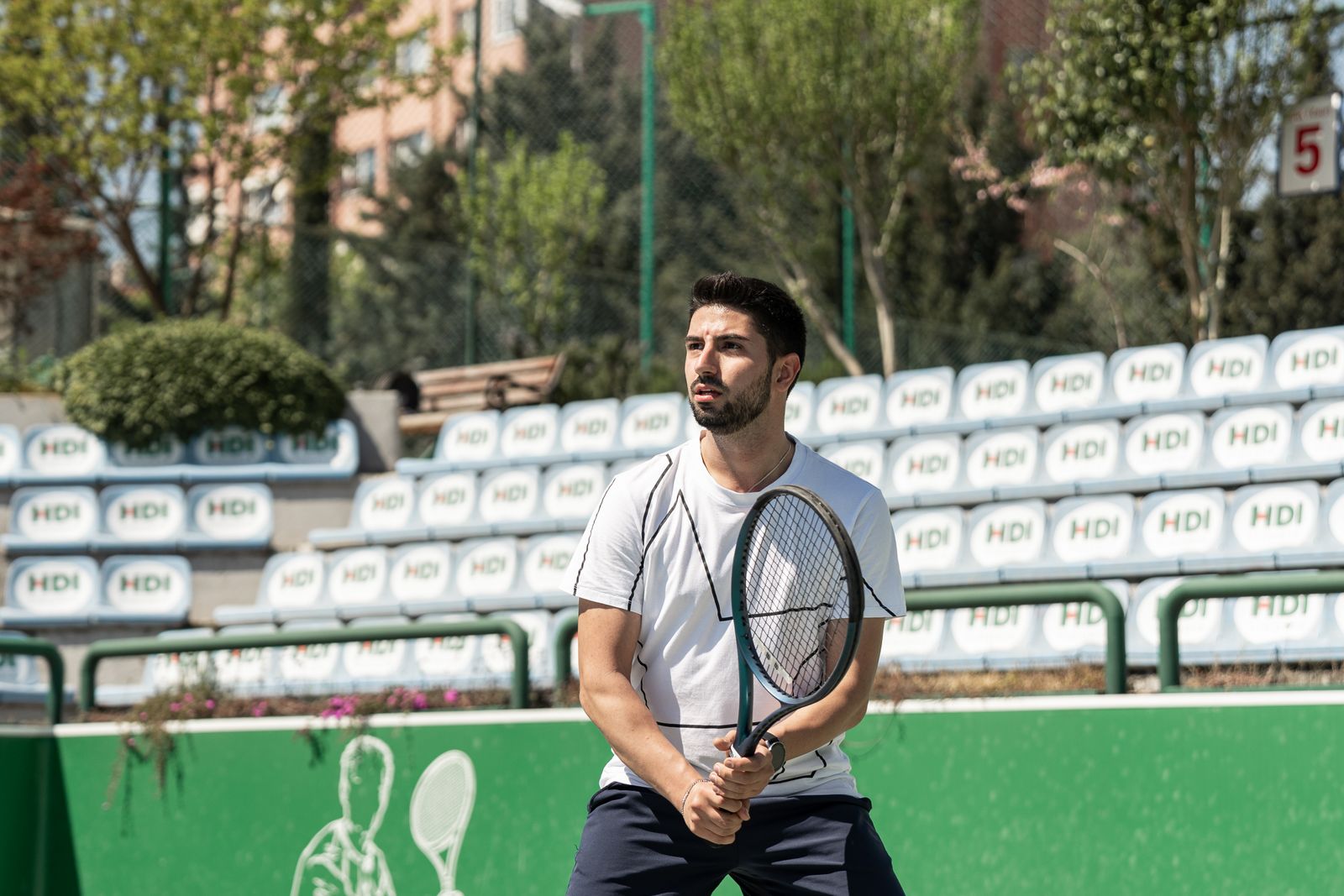
Alex leads academy and performance coaching with a clear focus on reliable technique, smart point construction and match habits that players can repeat under pressure.
His sessions connect stroke development with movement, serve and return patterns, decision-making and tournament planning, so players understand not only how to hit the ball, but when and why to use each option.
Individual coaching works best when the player understands the reason behind each change. Alex uses clear demonstrations, realistic feeds and live-ball situations so technical adjustments quickly connect to movement and decision making.
Progress is reviewed across several sessions rather than judged by one good or bad day. This gives players enough time to build new habits while keeping the long-term game plan stable.

Alex works with players who need a clear connection between technique, movement, patterns and competition. Sessions are built around repeatable decisions rather than isolated shot-making.
Each training block begins with one or two measurable priorities. Players then move from controlled technical work into live-ball situations, point patterns and score-based practice, making it easier to transfer improvements into real matches.
Good coaching should make the game clearer. Alex keeps each session focused, progressively increases pressure, and gives players enough ownership to recognise patterns without waiting for constant instruction.
Players leave knowing the one thing that matters most.
Technical changes are tested in realistic situations quickly.
Players learn to recognise patterns and make decisions themselves.
Training should help a player solve repeatable match problems, not simply look good in a drill. Alex uses clear targets, realistic ball patterns and score-based situations to make technical work useful when the pace and pressure increase.
For developing players, that means learning reliable court positions, stronger rally tolerance and simple serve and return plans. For performance players, it means refining patterns, recognising opponent tendencies and preparing for specific tournament demands.

The weekly schedule balances academy squads, private technical sessions, serve work and competitive practice. Availability is organised so players can combine individual detail with regular live-ball training.
| Day | Morning | Afternoon / Evening |
|---|---|---|
| Monday | — | Academy |
| Tuesday | Private | Performance |
| Wednesday | — | Academy |
| Friday | Private | Serve Clinic |
| Saturday | Squad | Private |
These areas are especially useful for players who already have solid fundamentals but need a clearer way to start points, build rallies and prepare for competition.
Build a serve and first-ball plan, not only a faster serve.
Use strengths and opponent patterns to shape decisions.
Choose events and training blocks around development goals.
Players often respond best when feedback is specific and immediately usable. The goal is to leave each session with a simple plan that can be practised independently and carried into matches.
The match plan stays simple enough to use at important scores.
I know exactly what to practise between sessions.
I am not trying to hit winners from neutral positions anymore.
Session length and format should match the problem being solved. Short sessions work well for focused serve work, while longer sessions allow technical changes to be tested through live points and match review.
Focused serve rhythm and target work.
Stroke or movement priority with live-ball transfer.
Point play, patterns and competitive feedback.
Book a trial, assessment or coaching conversation and we will recommend the right next step.
Get Started