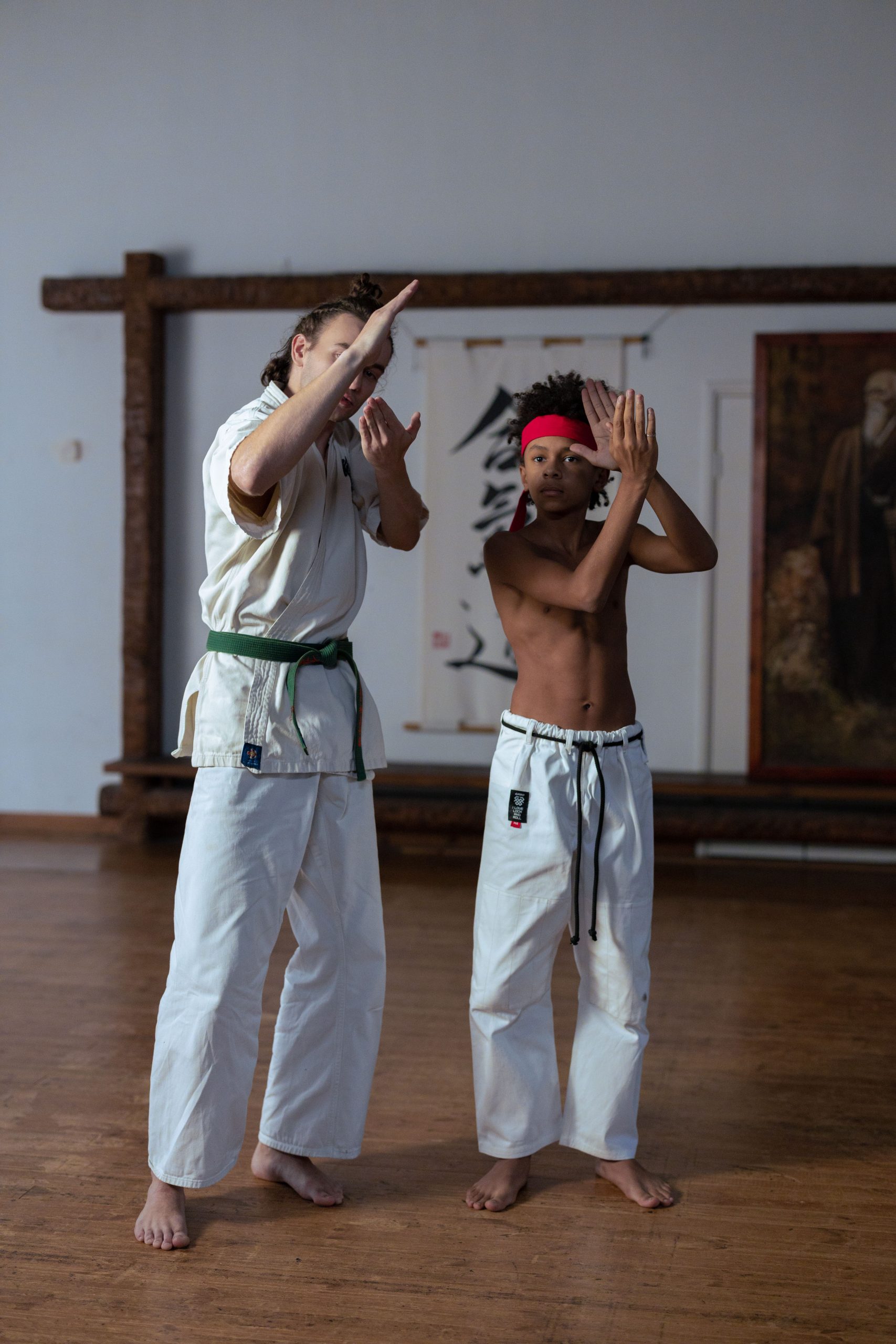
Academy overview
A clear belt pathway turns regular training into visible development.
Belts recognise technical control, understanding, attendance and conduct. Students progress when skills are reliable, not simply when enough time has passed.
The assessment cycle
01
Choose the right class
Match age, level and goals
Start in a group where learning stays safe.
02
Meet the instructor
Discuss experience and limitations
Receive practical guidance before training.
03
Build consistency
Protect one or two weekly sessions
Progress comes from repeatable attendance.
04
Review progress
Use feedback and belt milestones
Adjust the pathway as skills develop.
What assessments measure
01
Technique first
Reliable movement before speed or contact.
02
Respectful coaching
Clear standards without intimidation.
03
Age-appropriate progress
Drills scale for confidence and experience.
04
Strong community
Students and families stay connected.
Progression rhythm
28
Classes weekly
Youth, adult, family and advanced sessions.
1:12
Coaching ratio
Enough space for useful correction.
7
Training days
Weekday and weekend options.
4
Progress reviews
Planned milestones through the year.
Belt programme questions
Do beginners need experience?
No. Fundamentals classes start from stance, movement and safety.
What should I wear?
Comfortable sports clothing is enough for a trial class.
Is sparring compulsory?
No. Contact work is introduced only at suitable levels.
Can families train on the same visit?
Yes. The schedule includes nearby youth and adult sessions.
Next step
Understand your next milestone
Tell us the student’s age, experience and preferred days. The academy team will recommend the right next step.