SWIM ACADEMY · WATER CONFIDENCE · STROKE DEVELOPMENT
Move through the water with calm, control and purpose.
Level-based swim coaching for children, adult beginners, fitness swimmers and developing athletes. Every programme connects water safety, efficient technique and a clear next step.
CHOOSE A PATHWAY
Start at the right depth, pace and coaching level.
Assessment comes before placement. Coaches consider confidence, breathing, stroke control, endurance and the swimmer’s goal.
Water Confidence
Safe entries, floating, breathing and movement foundations for new swimmers.
View beginner pathwayStroke Development
Body position, breathing rhythm, propulsion and efficient turns across core strokes.
View stroke coachingPerformance Lane
Race skills, pacing, starts, turns and review for club, masters and competitive swimmers.
View performance pathway
COACHING BEFORE VOLUME
We teach better decisions, not just more lengths.
A useful swim session begins with one technical priority. Coaches choose drills, pace and rest that match the swimmer’s level rather than adding distance without purpose.
- Level-appropriate lane placement
- Breathing and body-line check before speed
- One clear technical cue at a time
- Alternative drill when confidence or form drops
- Short review before the next session
PROGRESSION FRAMEWORK
Four checkpoints from water confidence to repeatable performance.
Settle
Build comfort, breathing control and safe movement in the water.
Shape
Improve body line, kick, catch and timing before adding intensity.
Apply
Use the skill in short repeatable sets with suitable rest and feedback.
Sustain
Hold technique through longer distances, race pace or open-water demands.
WATER SAFETY SYSTEM
Progress is stronger when safety and confidence stay visible.
Coaches review supervision, depth, equipment, fatigue and the swimmer’s ability to follow instructions. A session changes when safety or confidence changes.
Depth
Lane depth and activity must match the swimmer’s confidence and skill.
Breathing
Breathing rhythm, panic signs and recovery are reviewed continuously.
Lane space
Direction, overtaking and spacing rules are clear before sets begin.
Fatigue
Technique and judgement change when concentration or energy drops.
COACHING TEAM
Clear feedback from coaches who understand different swimmers.
Meet specialists for learn-to-swim, adult confidence, stroke development, race preparation and open-water readiness.
Emma Reed
Children’s and adult beginner coach focused on confidence, breathing and safe progression.
Meet the coaches
Daniel Cruz
Technical coach for body position, timing, starts, turns and efficient repetition.
Meet the coaches
Maya Chen
Race and open-water coach for pacing, tactical preparation and controlled training load.
Meet the coachesFROM THE JOURNAL
Useful reading before the next pool session.
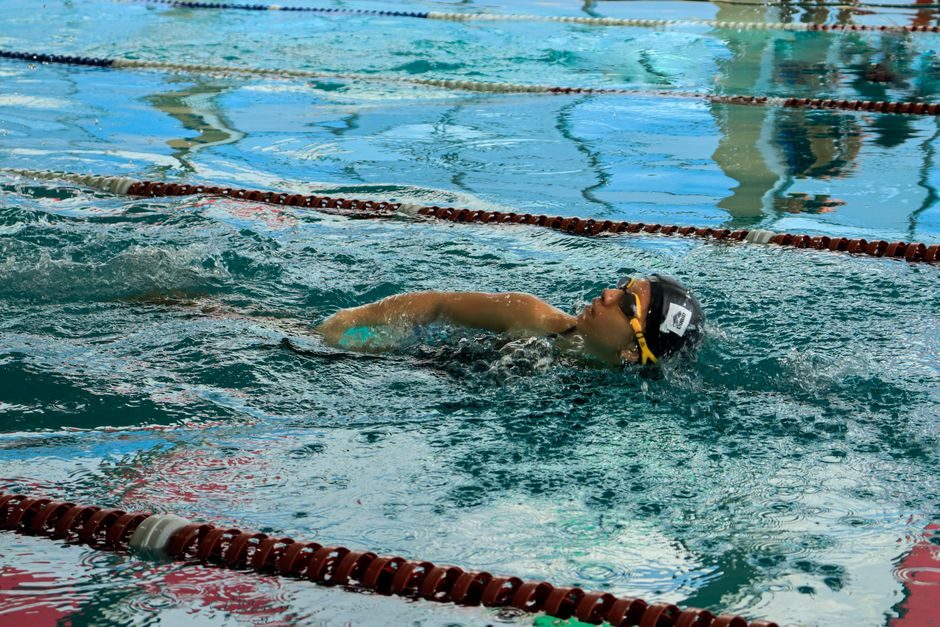
Freestyle Technique: Efficiency in the Water
How body line, rotation and timing reduce unnecessary effort.
Read article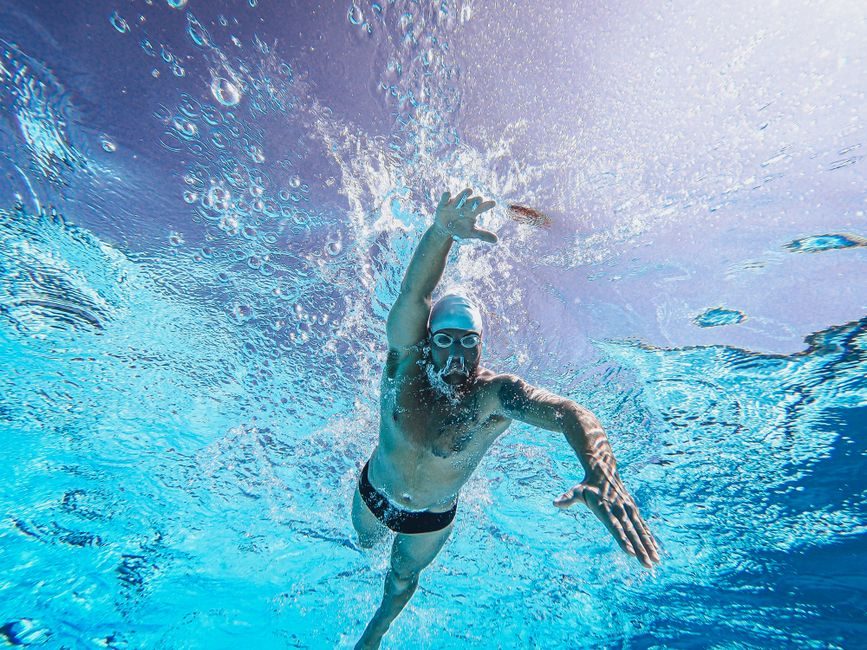
Breathing and Rhythm in Swimming
Build a calmer exhale, more stable timing and smoother lengths.
Read article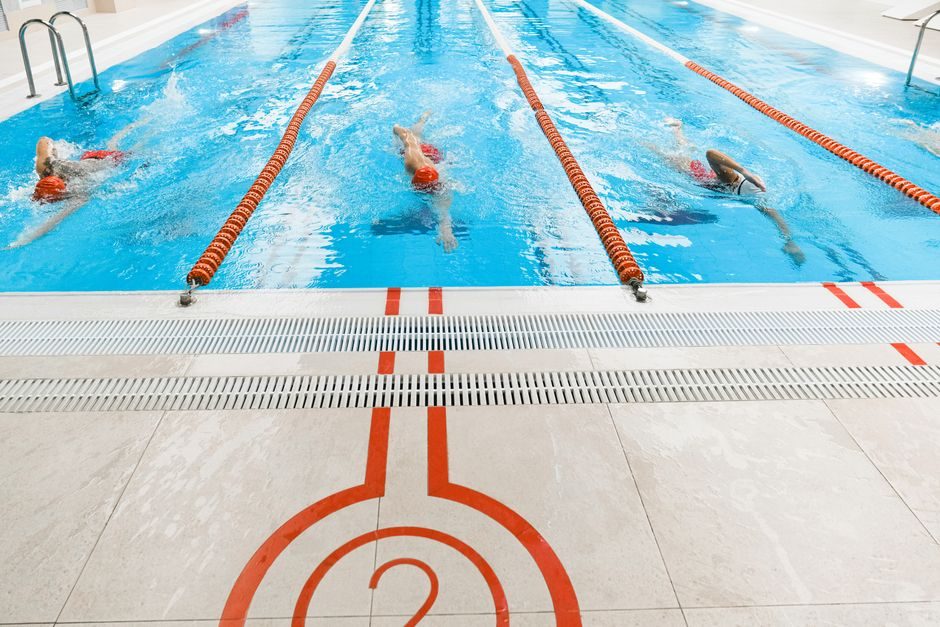
Building Endurance in the Pool
Use structured sets and planned rest instead of endless unmeasured laps.
Read articleSTART WITH THE RIGHT LANE