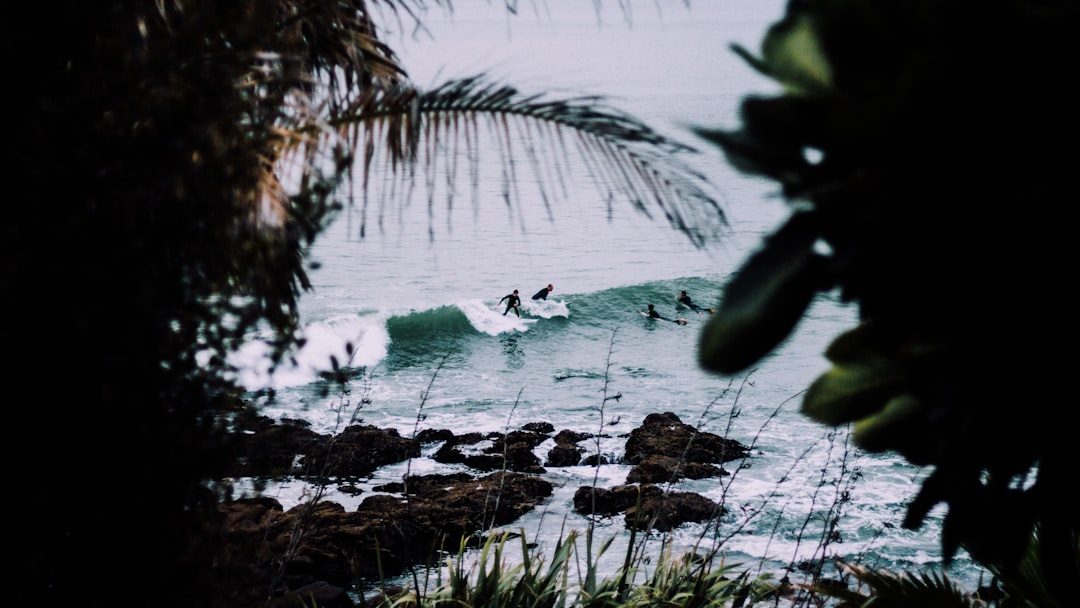
Ocean intelligence lab
Surf the wave that fits the day.
Condition briefings, focused water sessions and video review help surfers make better decisions before, during and after each wave.
Swell
3 to 4 ft
Long-period south swell
Wind
Light offshore
Clean early window
Tide
Rising
Best from 7:00 to 10:00
Focus
Wave selection
Intermediate bank session
Condition briefing
Understand why the session is here, now
Swell direction
See which banks receive energy and which remain sheltered.
Wind effect
Recognise clean faces, chop and changing paddling demands.
Tide movement
Understand how depth changes take-off zones, currents and hazards.
Crowd and access
Choose a learning zone that protects space, safety and etiquette.
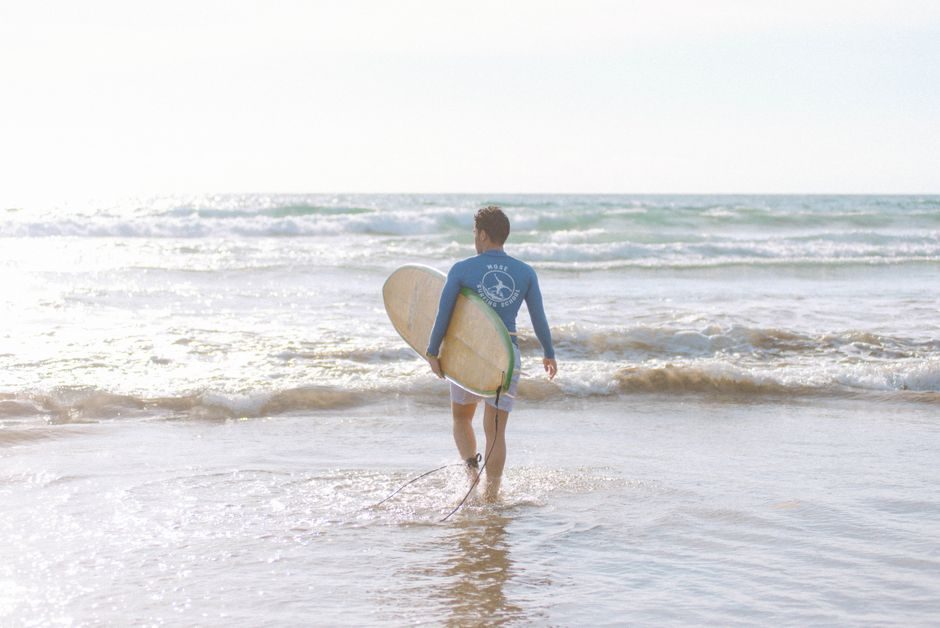
Board control
Stable basics create faster progress
Dry-land practice and short in-water cues connect paddling, take-off, trim and turning without overwhelming the session.
- Balanced prone position and efficient stroke
- Fast, quiet pop-up with reliable stance
- Eyes and shoulders guiding direction
- Front-foot trim and back-foot control
- Safe board management after falls
Video beach review
One useful clip, one clear change
Before the water
Choose the session goal and the wave type most likely to show it.
During the session
Capture a small number of representative waves rather than filming everything.
After the session
Review one strength, one change and one drill for the next surf.
Progression sessions
Choose the session that matches the next decision
Outside Ready
Move from white water to controlled paddling, turning and first green-wave attempts.
Wave Choice
Read peaks, approach the take-off zone and select waves with enough shape and space.
Rail and Speed
Connect bottom turns, line choice and controlled speed through changing sections.
Ocean safety review
Can you explain the plan before paddling out?
- Entry and exit route
- Coach boundary and regroup signal
- Rip and channel location
- Priority and paddling etiquette
- What to do if separated from the group
Start with an ocean assessment
Build a four-session surf plan
The first session reviews conditions, current skills and the single priority most likely to improve your surfing.