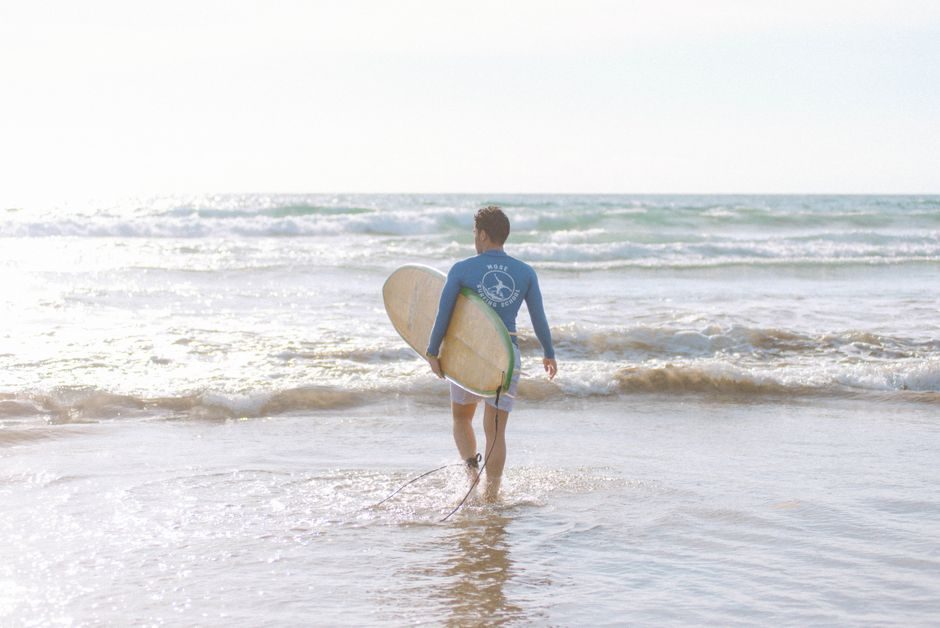
About the surf school
Coaching shaped by the ocean, not a fixed script.
Our programmes adapt to conditions, ability and confidence while keeping safety, clear communication and responsible beach use at the centre.
Our story
A small beach programme that grew carefully
Athlorix Surf School started with weekend beginner sessions and a clear rule: no lesson should continue simply because it was booked.
As the school grew, the same condition-led approach expanded into youth programmes, video coaching, camps and performance sessions. Coaches still choose the beach, group size and lesson focus only after assessing the day.
- Small coaching ratios
- Qualified ocean and surf staff
- Clear level pathways
- Equipment matched to the surfer
- Respectful use of beaches and line-ups
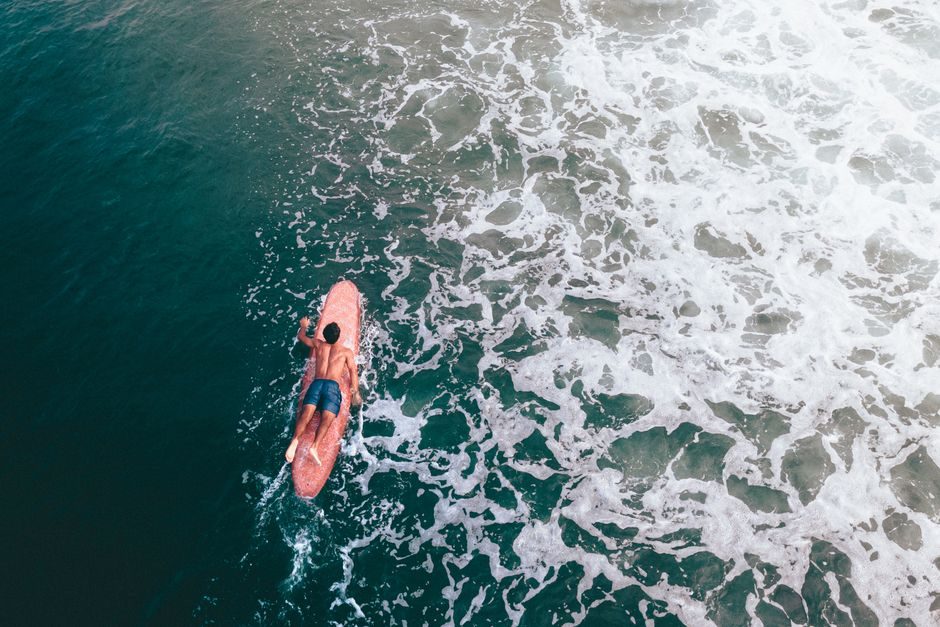
Coaching principles
Four standards behind every session
Conditions first
The lesson plan changes when swell, wind, tide, crowd or water quality changes.
One clear focus
Surfers improve faster when the session has one useful priority.
Explain decisions
Coaches teach why a beach, wave, board or position is suitable.
Build independence
Progress means making safer choices without needing constant instruction.
Safety process
A decision sequence used before every water entry
Beach assessment
Review swell, wind, tide, currents, banks, crowd and access.
Group assessment
Confirm swimming confidence, surf level, equipment and support needs.
Session boundary
Set entry, exit, regroup points and the zone that suits the group.
Ongoing review
Change or end the session if conditions, fatigue or crowding increase risk.

Equipment and care
Reliable gear, checked and fitted
Lesson boards, wetsuits and leashes are inspected, cleaned and selected for the surfer and conditions.
- Board surface and fin checks
- Leash attachment and wear inspection
- Wetsuit sizing and seasonal warmth
- Clear handling and storage guidance
- Repair or removal when equipment is not suitable
Beach responsibility
Leave the session area better understood and respected
- Use recognised access routes
- Avoid sensitive dunes and wildlife areas
- Share the line-up with local users
- Remove waste and damaged lesson items
- Teach etiquette as part of progression
Meet the people making the decisions
Explore the coaching team
Learn which coaches lead beginner, youth, performance, video and ocean-safety sessions.