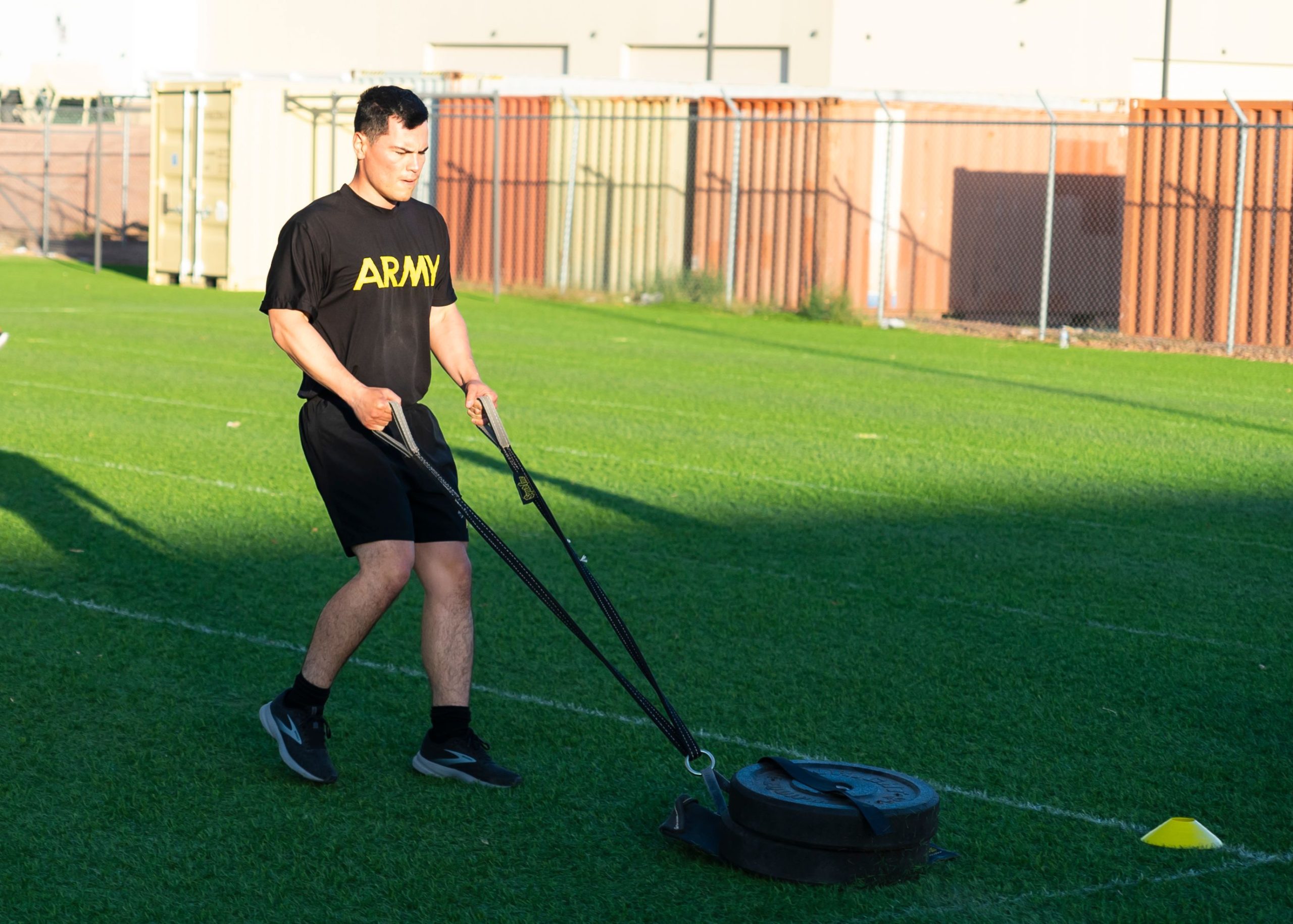
Progressive overload does not mean putting more weight on the bar every time you train. It means gradually asking the body to handle a more useful training demand while preserving the qualities the program is trying to build.
1. Start with repetition quality
If a working weight changes your positions, range of motion or control so much that the exercise becomes a different task, adding load has stopped being the obvious progression.
Repeatable technique gives you a stable reference. When the same load moves with better control across multiple sessions, that itself is progress.
2. Read effort honestly
Effort ratings help separate a genuinely hard set from a set that only feels unfamiliar. A target RPE range gives the coach room to keep the session productive when readiness changes.
3. Volume can progress before load
An extra high-quality rep, another technically sound set or a small increase in weekly exposure can create progression without changing the weight.
Useful volume signals
- Last reps look similar to first reps.
- Recovery between sessions is predictable.
- Effort stays inside the planned range.
- Accessory work does not reduce main-lift quality.
4. Add load when it earns its place
Load makes sense when the current prescription is technically stable, effort is appropriate and recovery supports the next exposure.
Positions remain repeatable.
RPE stays near target.
The next session is not compromised.
5. Review the block, not one session
Single sessions are noisy. Better decisions come from several weeks of training, where load, reps, technique, consistency and readiness can be viewed together.
A good review asks what improved, what stayed stable and what created unnecessary fatigue. The next block should keep productive elements and change only what needs changing.