Conditions and recovery goals

The clinic supports common injuries and movement problems through assessment-led rehabilitation.

Condition labels guide the conversation, but the plan is based on the individual presentation and activity demands.

Lower limb

Knee and Lower Limb

Running, field sport and gym-related issues

Strength, control and graded return to impact.
Upper limb

Shoulder and Upper Limb

Lifting, throwing and contact-sport demands

Mobility, strength and activity-specific loading.

Spine and hip

Back and Hip

Training, work and daily movement limitations

Movement confidence, capacity and progressive strength.

Post-op

Post-Operative Recovery

Structured progression after medical care

Milestones, strength rebuilding and return planning.

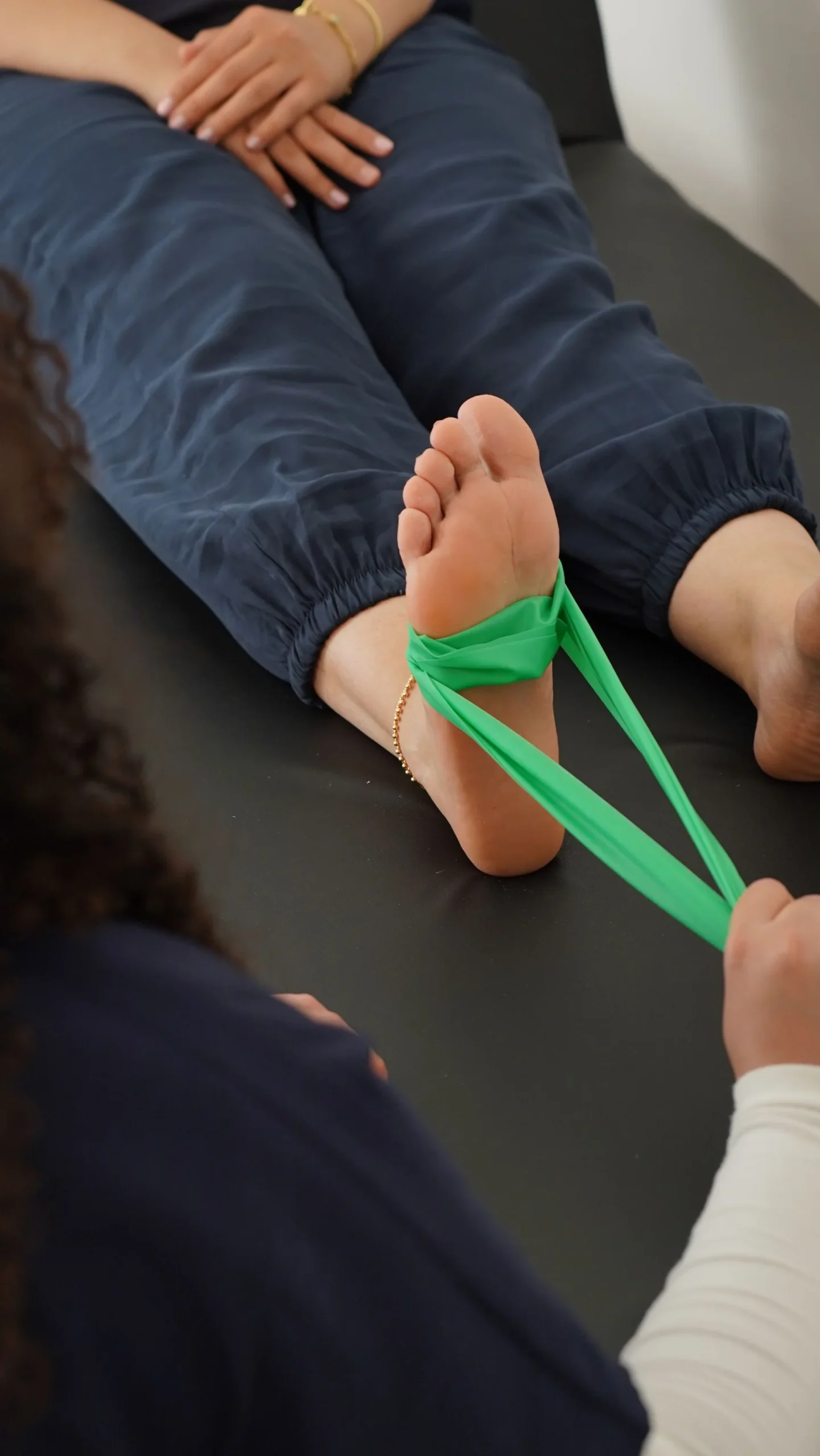
Sports therapist assessing movement for an activity-related condition
Assessment shapes the plan

Two people with the same diagnosis may need different priorities.

The clinic considers current symptoms, movement, strength, confidence, training history and the demands of the target activity.

Current presentation

What is limited today.

Load history

How training or activity changed.

Target activity

What the body needs to tolerate.

Progress markers

What improvement will look like.

Condition support

A structured process keeps recovery decisions clear.

4

Body regions

Lower limb, upper limb, spine and post-operative care.

3

Progress layers

Movement, capacity and activity exposure.

1

Individual baseline

Plans start from current ability.

Regular

Milestone reviews

Progress is checked before major changes.

From limitation to return

Recovery progresses through meaningful stages.

01

Clarify

Understand the condition and current barriers

Agree on safe early activity.

02

Restore

Improve movement and basic capacity

Build consistency before complexity.

03

Rebuild

Progress strength, speed or endurance

Match the demands of work or sport.

04

Return

Test readiness and reintroduce activity

Increase exposure with clear review points.

Condition questions

Important information before starting.

Do I need a diagnosis before booking?

No. An assessment can help clarify the presentation and whether referral is appropriate.

Can you review a long-term injury?

Yes. Bring previous reports, treatment history and current training details.

Do you support post-operative rehabilitation?

Yes, within the surgeon or medical team’s restrictions and milestones.

What if symptoms worsen?

Contact the clinic and seek medical advice when symptoms are severe, rapidly changing or include urgent warning signs.

Discuss your current limitation

Share the affected area, activity goal and any medical guidance already received.