RUGBY PROGRAMMES
Choose the right challenge for your position and stage.
From first skills to senior performance, every programme has clear outcomes, coaching ratios and progression steps.
PLAYER PATHWAYS
Six ways to develop your rugby.
Junior Foundations
Core movement, passing, evasion and non-contact game understanding.
Junior Development
Technique, safe contact progression, positions and team habits.
Performance Academy
Match plans, athletic development and individual reviews.
Senior Club Training
Team systems, fixtures and role-specific preparation.
Women and Girls Rugby
Beginner, academy and competitive pathways in a supportive environment.
Private Coaching
Individual handling, kicking, contact, position or athletic support.
PROGRAMME COMPARISON
Find the format that matches your goal.
| Programme | Sessions | Review | Fixtures | Best for |
|---|---|---|---|---|
| Foundations | 1 weekly | Termly | Game labs | New players |
| Development | 2 weekly | Termly | Club pathway | Growing players |
| Performance | 3 weekly | Every 8 weeks | Competitive | Advanced players |
| Senior Club | 2 weekly | Seasonal | League | Adult players |
POSITION DEVELOPMENT
Train the role, not only the player.
Set Piece and Contact
Scrum, lineout, carry, cleanout and defensive work rate.
Tempo and Territory
Passing detail, kicking choices, communication and game control.
Space and Finishing
Scanning, support lines, catch-pass speed and transition attack.
SEASON PATHWAY
A complete cycle from pre-season to review.
Prepare
Movement screen, fitness baseline and technical priorities.
Build
Position skills, contact quality and team systems.
Compete
Fixtures, selection feedback and match targets.
Review
Video, workload, player goals and next-season plan.
WHAT EVERY PLAYER GETS
Clear coaching support at every level.
- Qualified rugby coaching
- Published weekly session plan
- Position-specific technical work
- Safe contact progression
- Player review and next actions
- Fixture or game-lab opportunities
PROGRAMME EXPERIENCE
Skill work should connect to match decisions.
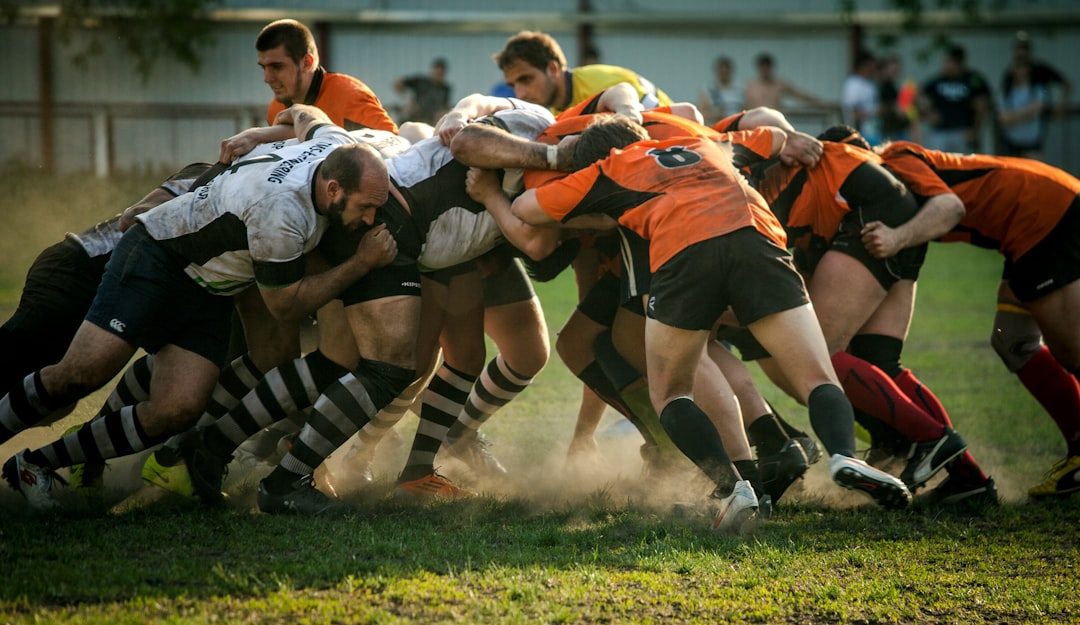
Train with context
Sessions move from technique to pressure and then into a game situation. Players understand why each detail matters and where it appears on matchday.
Review with purpose
Feedback focuses on one or two actions the player can use in the next session or fixture.
FREQUENTLY ASKED QUESTIONS
Choose your starting point with confidence.
Can a complete beginner join?
Yes. Foundations, touch and adult introduction sessions are designed for players who are new to rugby.
How is contact introduced?
Coaches use age-appropriate stages, beginning with body position and control before adding pressure and speed.
Can players change position?
Yes. Reviews consider skills, physical development, confidence and team needs before recommending a role.
Are fixtures included?
Fixture access depends on age, programme, registration and readiness. The coaching team explains this during assessment.
STARTING POINT
Book a rugby assessment.
We will recommend a programme, training group and first-month focus.