MARTIAL ARTS ACADEMY · YOUTH · ADULTS · GRADING PATHWAYS
Build skill, discipline and confidence one stage at a time.
Structured martial arts coaching for children, teens and adults. Every session connects technique, respect, safety and a clear next step.
CHOOSE A PATHWAY
Start at the level that fits the student now.
Programmes separate age, confidence, technical experience and goals so students can learn without being rushed.
Children’s foundations
Coordination, listening, safe movement and simple partner skills for young students.
View youth pathwaysAdult beginner
Stance, movement, defence, pad work and practical confidence without pressure to compete.
View adult programmesAdvanced development
Technical refinement, controlled sparring, grading and competition preparation.
View progression options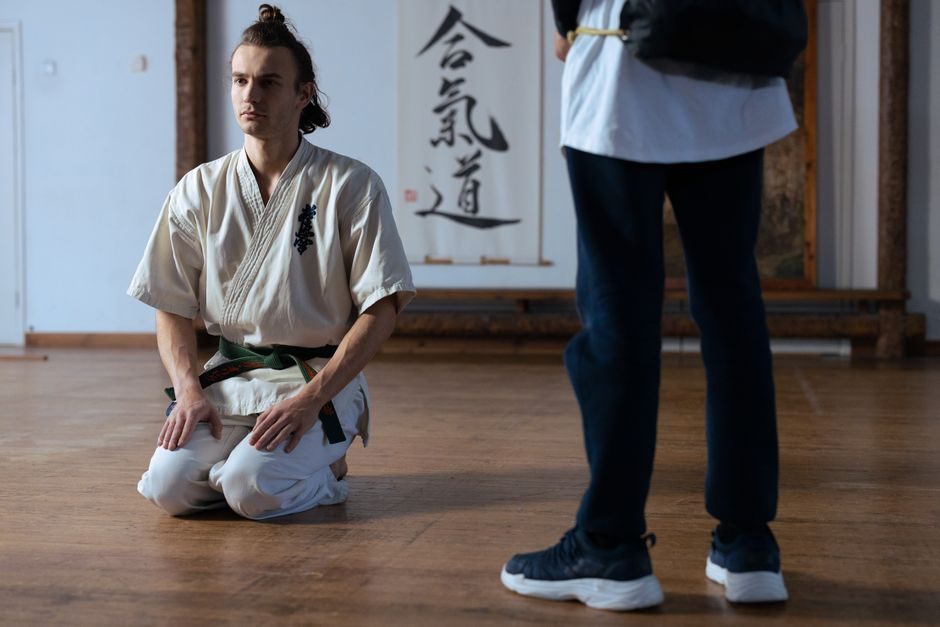
TECHNIQUE BEFORE INTENSITY
Students learn control before speed or contact.
A useful class starts with posture, distance, awareness and clear rules. Coaches increase difficulty only when the student can repeat the movement safely.
- Age and level appropriate tasks
- Partner matching by size, experience and confidence
- One clear coaching cue at a time
- Controlled contact with explicit rules
- Short review before the next session
PROGRESSION FRAMEWORK
Four checkpoints from first class to confident practice.
Understand
Learn etiquette, stance, movement and the purpose of each technique.
Repeat
Build clean patterns at a pace the student can control.
Apply
Use the skill with pads, partners or forms under clear rules.
Review
Record one strength, one correction and the next useful goal.
ACADEMY CULTURE
Respect is a training skill, not a slogan.
Students share space, partners and responsibility. The academy teaches consent in partner work, safe intensity, clean equipment and the right to pause.
Space
Floor, equipment and partner area are checked before class.
Partners
Size, experience and confidence guide partner selection.
Contact
Intensity stays within the stated drill and class rules.
Fatigue
Students stop when concentration, balance or control drops.
INSTRUCTOR TEAM
Clear teaching from coaches who understand progression.
Meet instructors for youth foundations, adult beginners, traditional forms and controlled competition pathways.
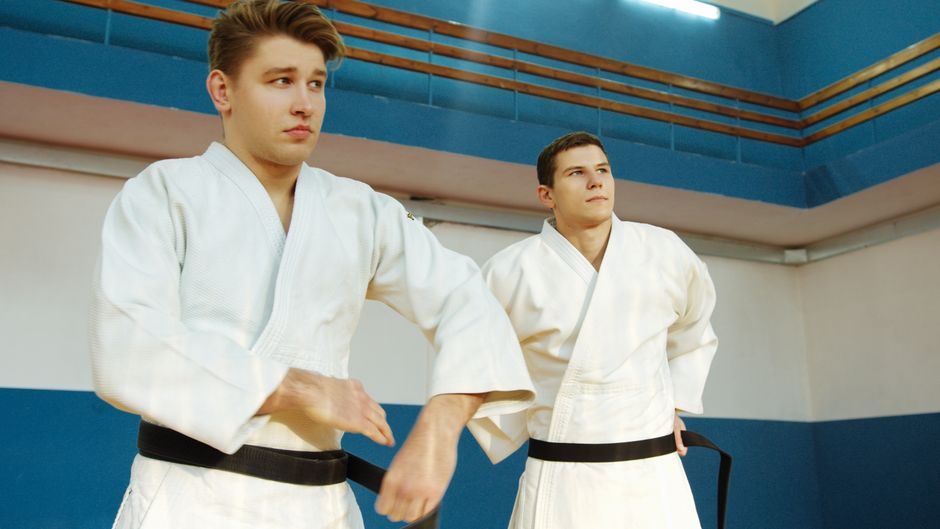
Naomi Chen
Children’s and adult beginner instructor focused on confidence, coordination and safe partner work.
Meet the instructors
Marcus Lee
Forms and striking coach who builds clean movement, balance and repeatable technique.
Meet the instructors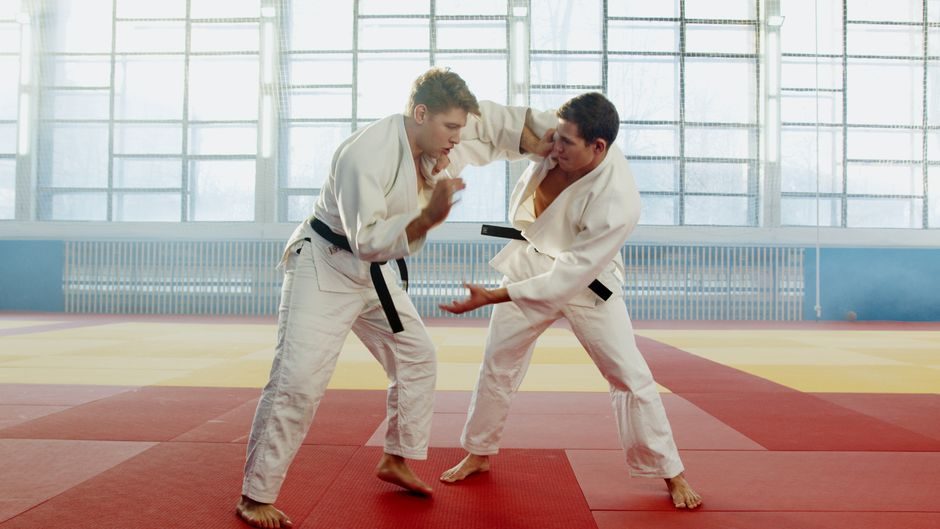
Amara Singh
Advanced development coach for controlled sparring, grading and competition preparation.
Meet the instructorsFROM THE JOURNAL
Useful reading before the next class.
The Beginner Mindset in Martial Arts
Why patience, curiosity and consistency matter more than natural talent.
Read article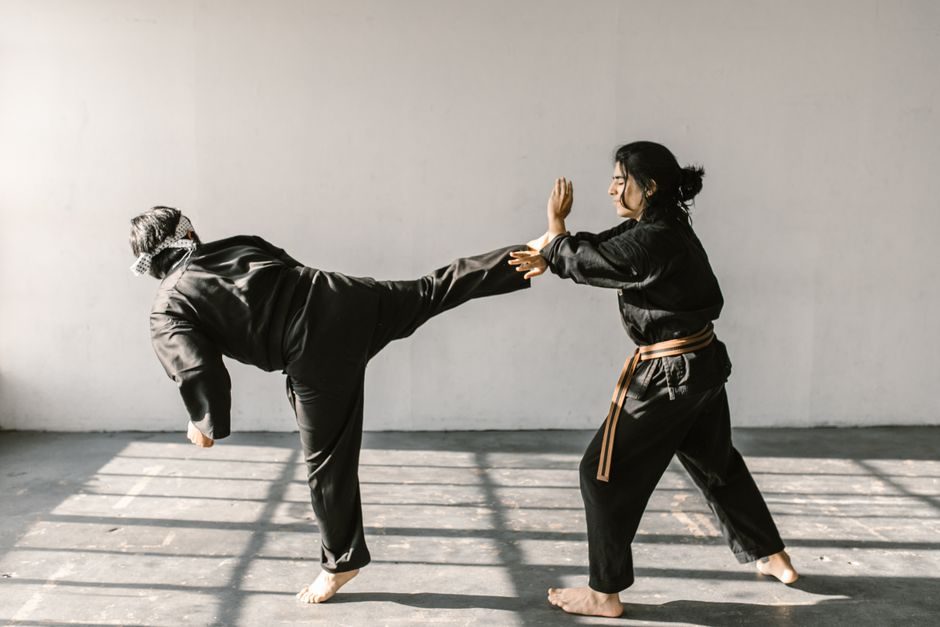
Footwork and Distance Management
How stance, range and timing shape safe technical practice.
Read article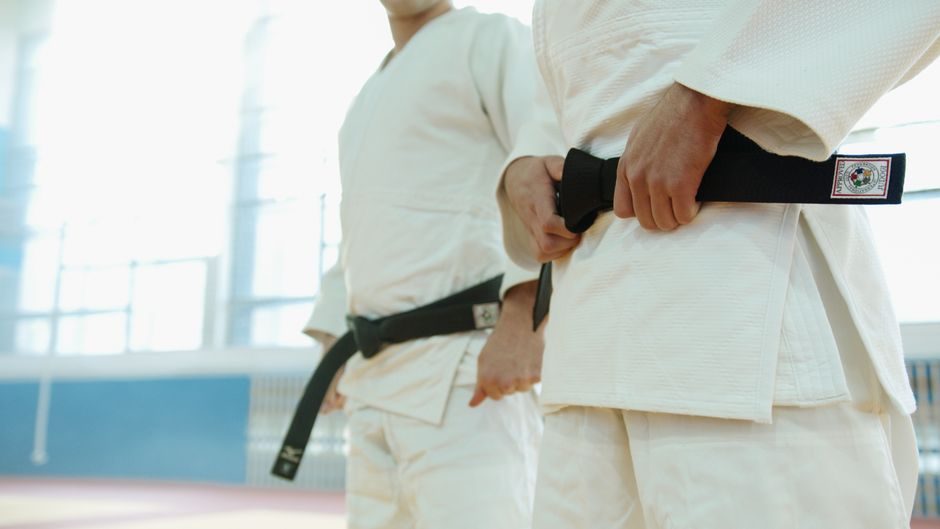
Discipline On and Off the Mat
How training habits can support focus, respect and responsibility.
Read articleSTART AT THE RIGHT LEVEL