
Good outdoor group training has one shared purpose, clear exercise options and enough structure that different fitness levels can train together without confusion. Know what the workout is trying to develop. Scale load, range, speed or work time. Keep stations easy to understand. Prepare alternatives before conditions change. Programming Members can use different versions while sharing the session. Weather Adapt setup without turning every class into improvisation. Coaching Good sightlines and simple stations create room for feedback. Strength, conditioning, skill or mixed. Know the safe training footprint. Use fewer tools with clearer roles. Prepare useful options before class starts. Choose one primary outcome Avoid competing session goals. Select a few repeatable movements Keep setup easy to coach. Prepare entry and progression options Change difficulty without changing belonging. Note what worked in real conditions Improve the next version.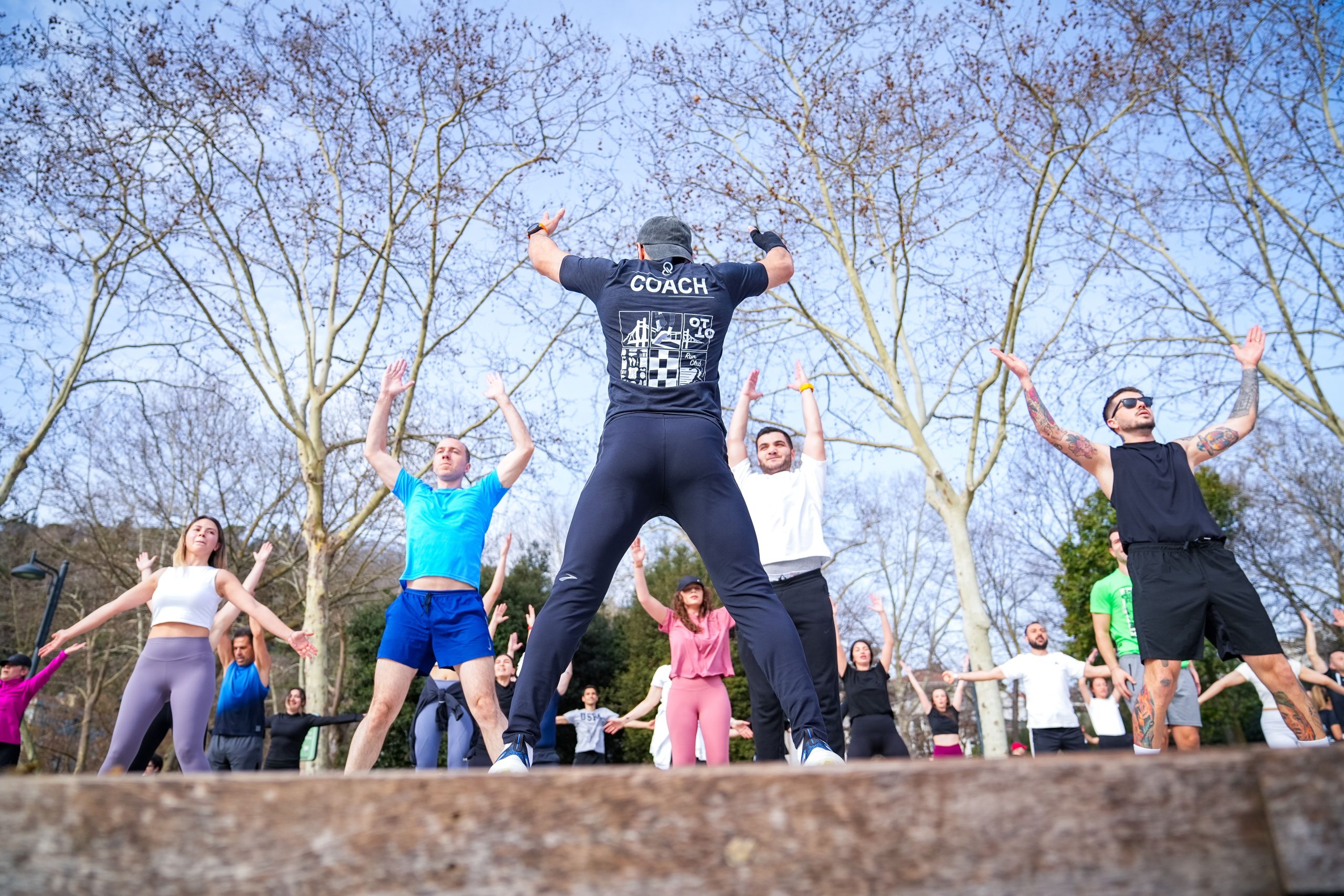
How to design outdoor training that works for everyone.
One session goal
Several entry points
Simple logistics
Weather plan
Strong outdoor coaching is usually clear rather than complicated.
“Keep the goal fixed and scale the route to it.”
“Use the environment, but do not let it control the workout.”
“Coach the group and still notice the individual.”
These choices make the rest of the plan easier.
Purpose
Space
Equipment
Scaling
Use the same order each time to reduce guesswork.
Define
Design
Scale
Review
A session may look different while following the same design principles.
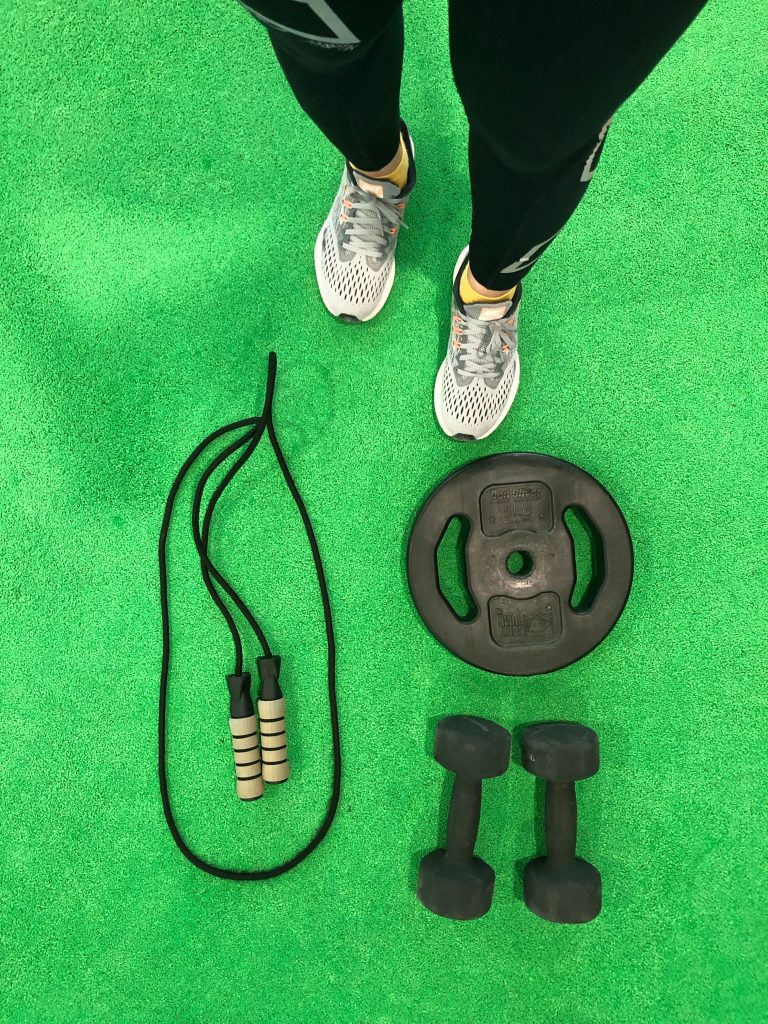
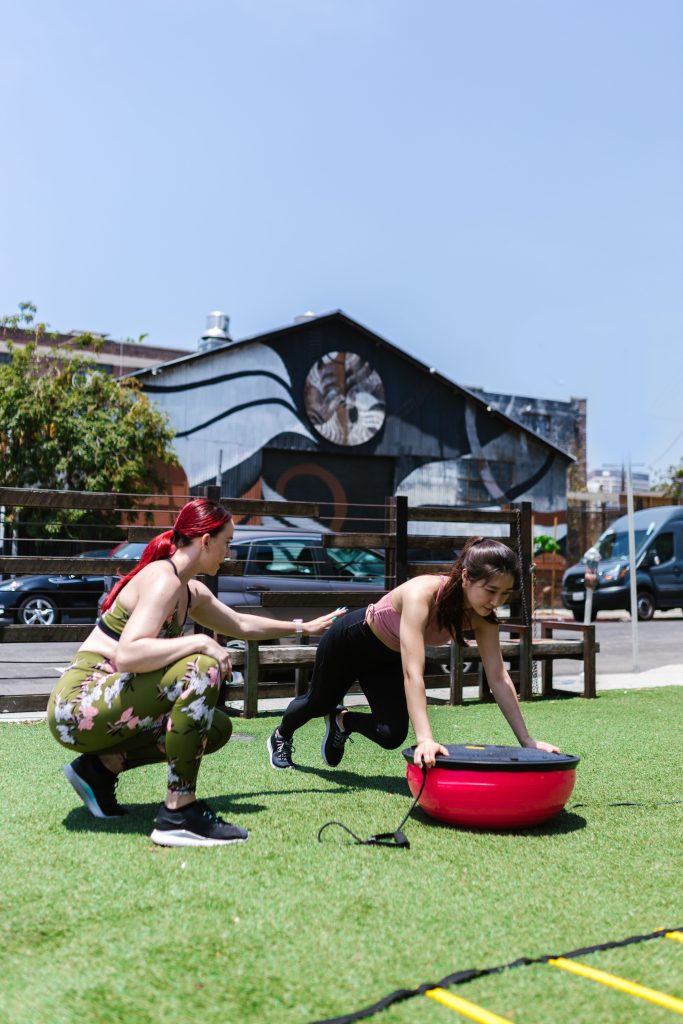
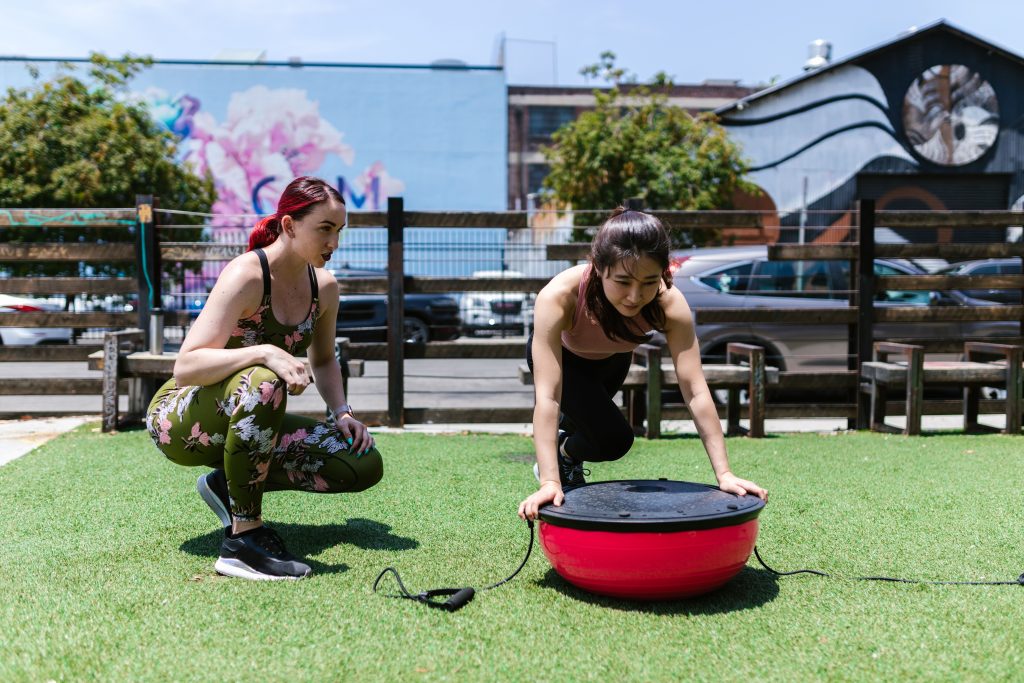
Explore the programs or join a free trial to see how scaling works with a live group.

Fitness, wellness and sports insights from the AdnanThemes editorial team.
Clear and practical — the four-week outline is the part I keep coming back to.
Useful piece. The section on reviewing progress answered something I had been unsure about.