Batting Development
Footwork, scoring options and decision-making against pace and spin.
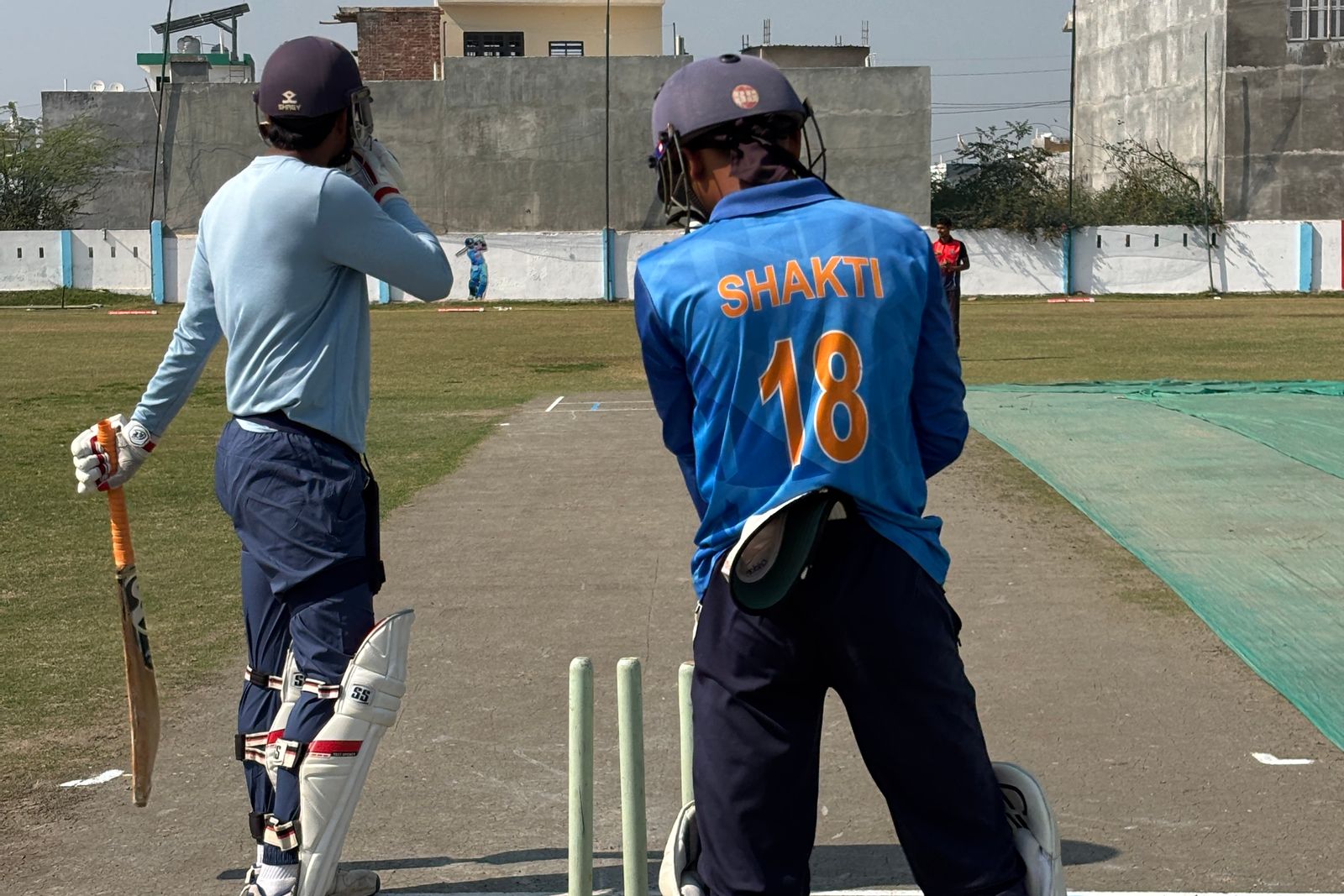
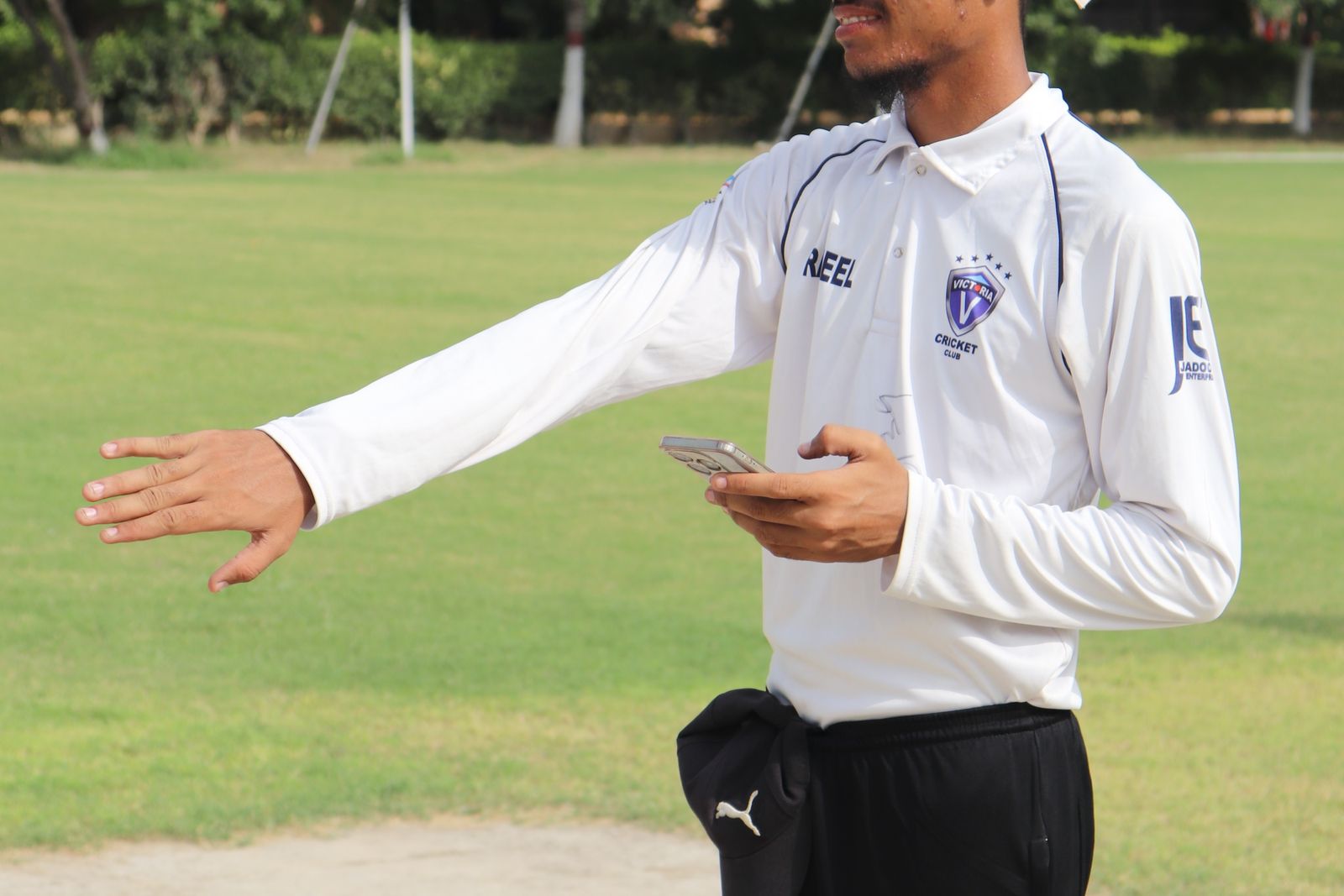

Strong practice connects individual skill to the situations players face in real innings and overs.
Footwork, scoring options and decision-making against pace and spin.
Repeatable action, line and length, variation and spell planning.
Movement, catching, throwing and pressure execution.
Roles, scenarios, fixtures and post-match review.
Players improve when technical work, live scenarios and fixtures support the same goals.
Movement, basic batting, bowling and fielding habits.
Technique, game awareness and regular scenario practice.
Role-specific preparation and competitive match planning.
Observe technique, movement and game understanding.
Build a focused technical and tactical plan.
Test skills in scenarios and fixtures.
Turn match evidence into the next training priority.
| Day | After School | Evening | Focus |
|---|---|---|---|
| Mon | Junior Nets | Adult Nets | Technique |
| Tue | Academy | Bowling Group | Skill |
| Wed | Fielding | Team Practice | Team Play |
| Thu | Academy | Scenario Nets | Decision Making |
| Fri | Private Coaching | Open Nets | Repetition |
| Sat | Youth Fixtures | Club Matches | Competition |
Each coach works from the same player-development language, even when the specialty changes.
Open nets and selected club sessions.
Weekly coaching plus club access.
Advanced training, reviews and match support.
Warm up, organise equipment and know the session goal.
Make each repetition connect to a cricket problem.
Use results as feedback, not as the only measure.
Review batting, bowling and match-preparation concepts before the next training block.

Book a trial session and we will recommend the right group, team or academy program.
Book a Cricket Trial