Assess
Measure current outputs and movement strategy.
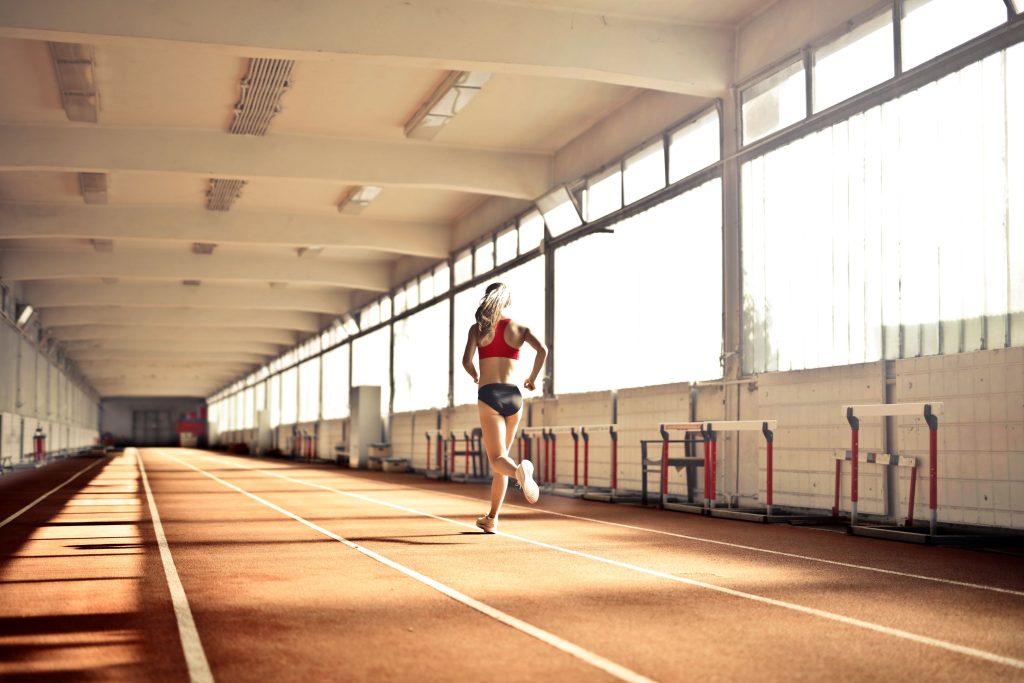
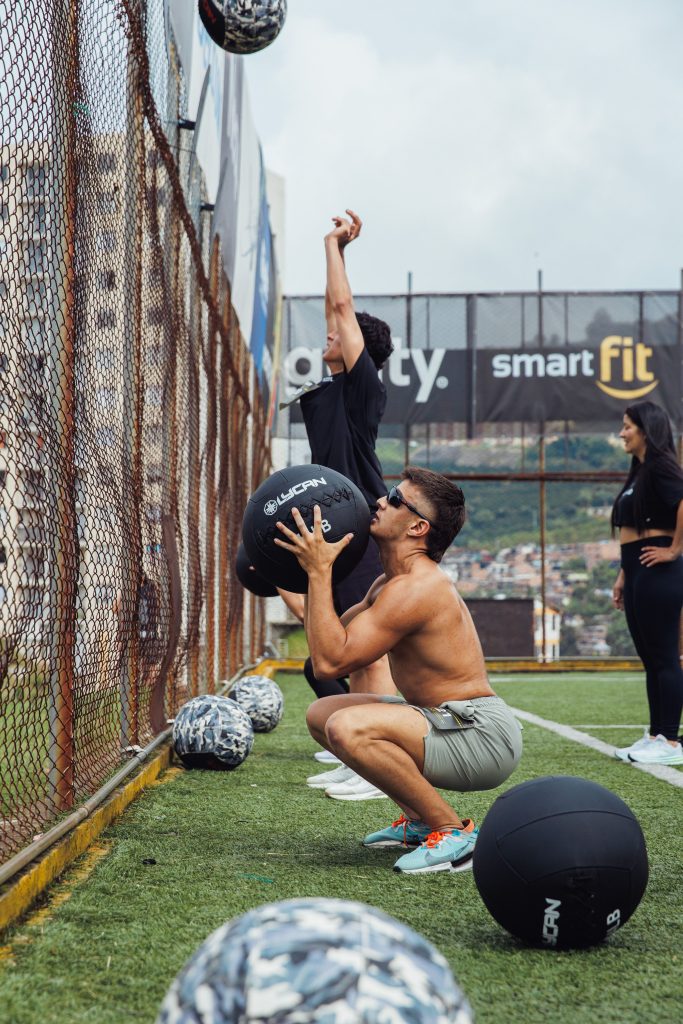
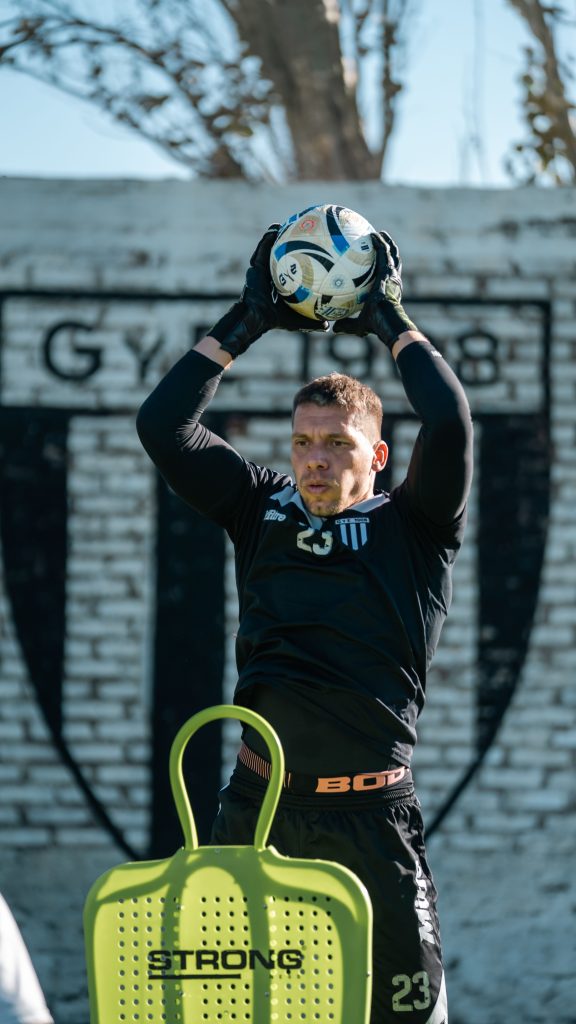
A clear sequence keeps the session easy to understand. Measure current outputs and movement strategy. Build positions and technical landmarks. Progress intensity without losing speed. Use data to choose the next block. The details that change the day-to-day training experience. Measure progress that matters. Connect feel with visible mechanics. Keep coaching close to high-speed work. Clear options make it easier to match frequency and support. Eight performance sessions monthly. Twelve coached sessions plus review. Higher frequency with testing support. Useful outcomes built through consistent training. Improve early acceleration. Use jumps and sprint contacts better. Hold useful positions at speed. Maintain quality across multiple efforts. No. The system scales to youth, developing and competitive athletes. The exact environment depends on the session and facility setup. Frequency depends on sport schedule, age and recovery. Extra structure that keeps the plan practical. Fit speed work around practices and games. Track high-intensity exposure across the week. Keep priorities clear between performance staff and athlete. A simple progression path makes the next step visible. Capture initial timing and power markers. Build positions and acceleration quality. Add speed and repeatability. Compare outputs and set the next priority. Yes. Strength can support the speed block when weekly loading is coordinated. Testing options depend on the athlete and program. Yes, subject to facility scheduling and group size. The training priorities that define this home concept. Improve projection, first steps and early force. Develop upright mechanics and rhythm. Use jumps, throws and loaded intent. A performance space needs room for fast movement, simple timing and coaching feedback that does not slow the session down. The best speed work combines high-quality exposures with enough recovery to preserve output. Athlete development needs more than a single training lane. Sprint work, force development, technical review and testing all benefit from dedicated zones that keep transitions short and coaching attention close to the athlete. Start with an athlete assessment and leave with a clear performance priority.
 Speed & Power Lab
Training Flow
Assess
Teach
Load
Retest
Speed & Power LabHow This Home Feels
Timing Gates
Video Review
Small Groups
Access OptionsChoose the level that fits this training concept.
Speed 8
$129Performance 12
$179Athlete Pro
$249Speed & Power LabWhat You Build
Faster Starts
More Elastic Power
Cleaner Mechanics
Repeat Output
QuestionsBefore You Start
Do I need to be an elite athlete?
Is sprinting done indoors?
How often should I train speed?
Speed & Power LabSupport Layer
Sport Calendar
Load Review
Coach Communication
Speed & Power LabProgress Path
Baseline
Block 1
Block 2
Retest
QuestionsPractical Details
Can strength training be included?
Do you test vertical jump?
Can teams book groups?
10 MAcceleration focus3-5Power exposures1:6Coach ratio6Performance markersSpeed & Power LabCore Focus
Acceleration
Max Velocity
Power
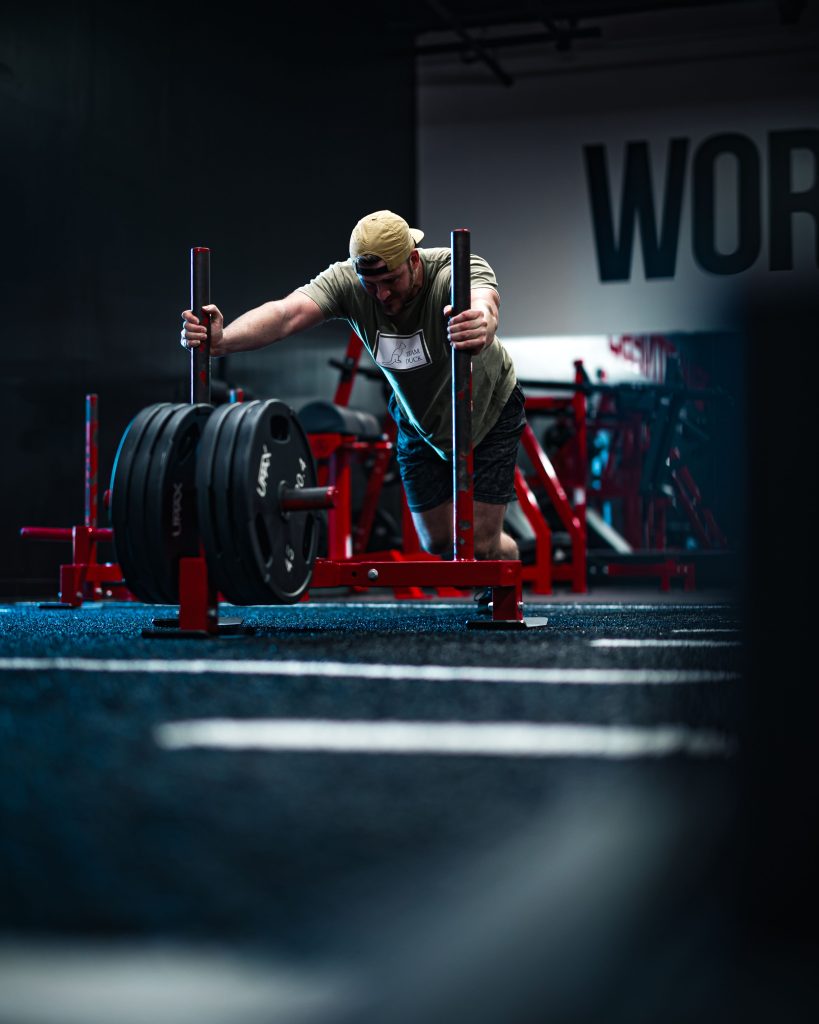 Speed Environment
Acceleration improves when every rep starts with clear intent.

 Performance Environment
Speed, strength and testing work better when the space supports each phase.
Train speed with a reason behind every rep.