


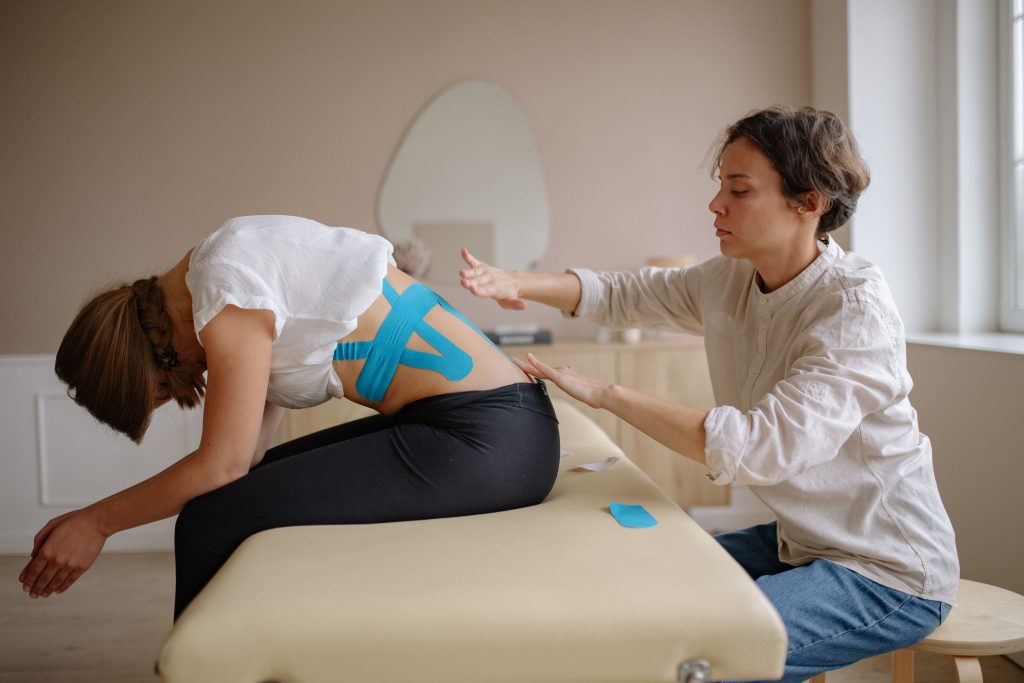
Assessment
Sports Injury Assessment
60 minutes
History, movement testing and initial priorities.
Every service explains its role, typical format and how it connects to the wider plan.
60 minutes
History, movement testing and initial priorities.
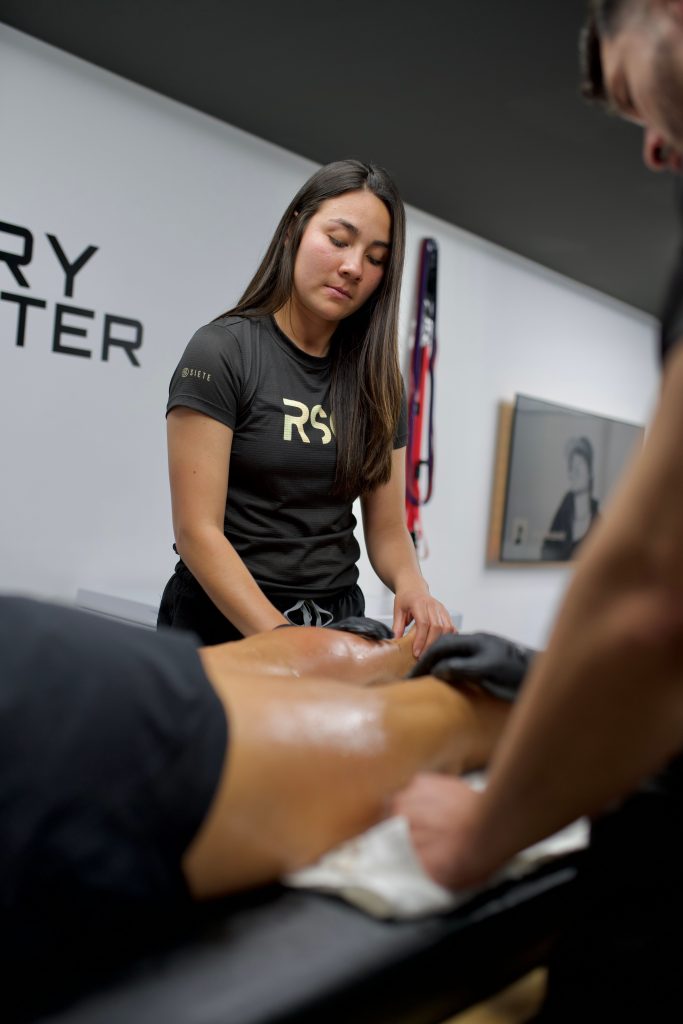
45 minutes
Hands-on care, movement guidance and exercise progression.

60 minutes
Progressive gym-based loading for capacity and confidence.

75 minutes
Relevant strength, control, running and agility milestones.
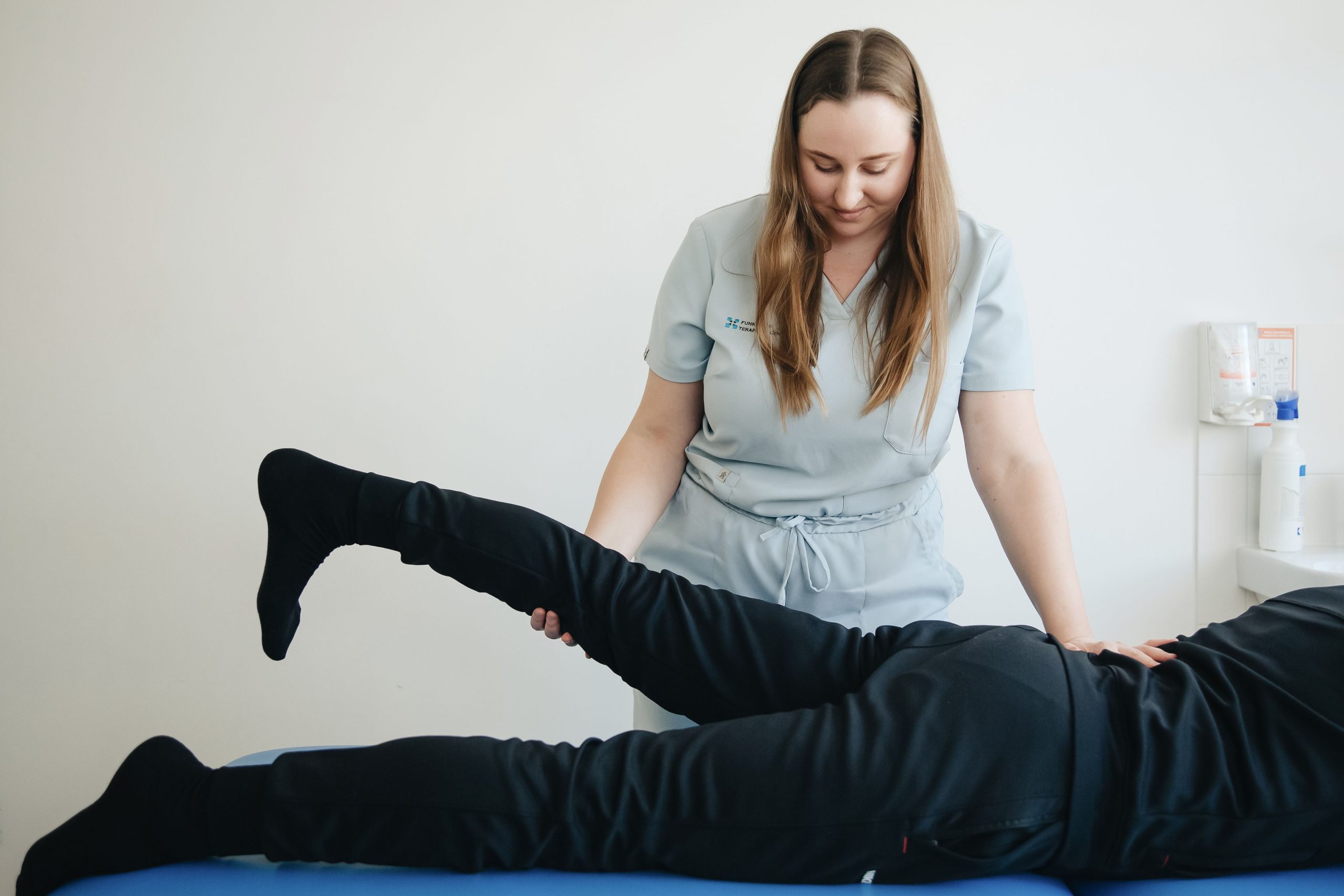
The therapist reviews the injury story, current symptoms, movement confidence and activity demands. Testing is selected because it informs the plan.
What feels restricted now.
What work or sport requires.
Only measures that guide decisions.
Frequency, exercises and review point.
Reduce uncertainty and restore safe movement
Build an early plan that can be repeated.
Progress mobility, control and strength
Use load that matches the current stage.
Add speed, power or sport-specific work
Prepare for real training demands.
Review readiness and exposure
Plan the move back to full activity.
Appointment range
Choose by service and testing need.
Booking options
Selected support across the week.
Core service areas
Assessment, treatment, strength and testing.
Coordinated priorities
Services connect instead of competing.
Start with Sports Injury Assessment unless the clinic has already advised another option.
No. It is used when it supports the current goals and active plan.
Yes. Bring relevant information, but the appointment still includes an independent assessment.
Yes. Services support active adults, work demands and recreational sport as well as competitive athletes.