Holds
Which holds are directional or poor?
A practical guide to holds, body positions, sequencing, rest points and adapting beta after each attempt.
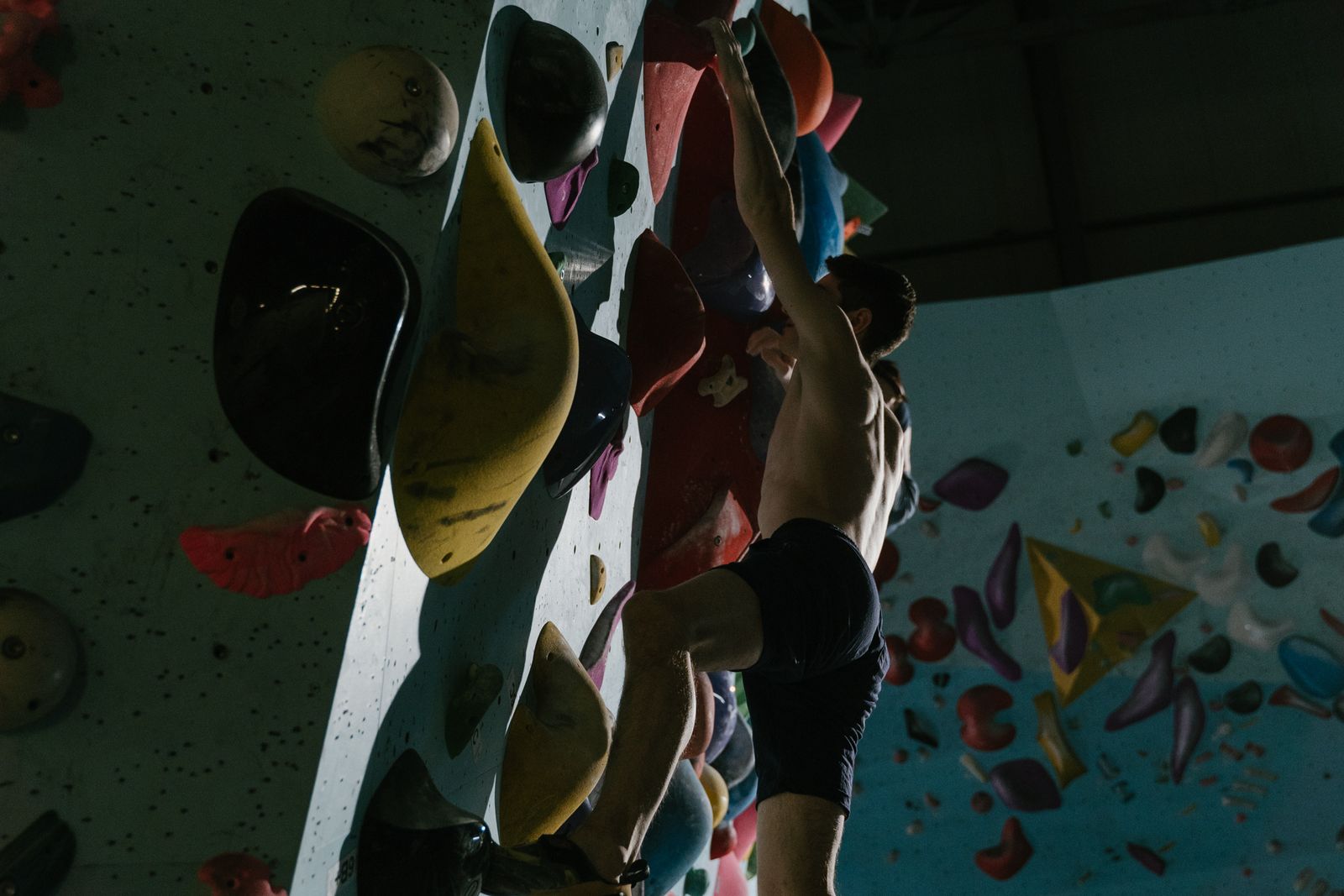
A first attempt improves when the climber has already noticed hold direction, likely feet, body positions and possible rest points.
The plan does not need to be perfect, but it creates a useful hypothesis that can be tested and adjusted.
Which holds are directional or poor?
Where can the body create support?
Where will hips and shoulders likely move?
Is there a place to reset or pause?
This section connects the page topic to practical climbing movement, route decisions and progression.
Establish a stable opening.
Identify the hardest sequence.
Plan enough control for the final moves.
| Observation | Next Choice |
|---|---|
| Foot slipped | Change placement or pressure |
| Hips swung | Find counterbalance |
| Ran out of power | Improve pacing or rest |
This section connects the page topic to practical climbing movement, route decisions and progression.
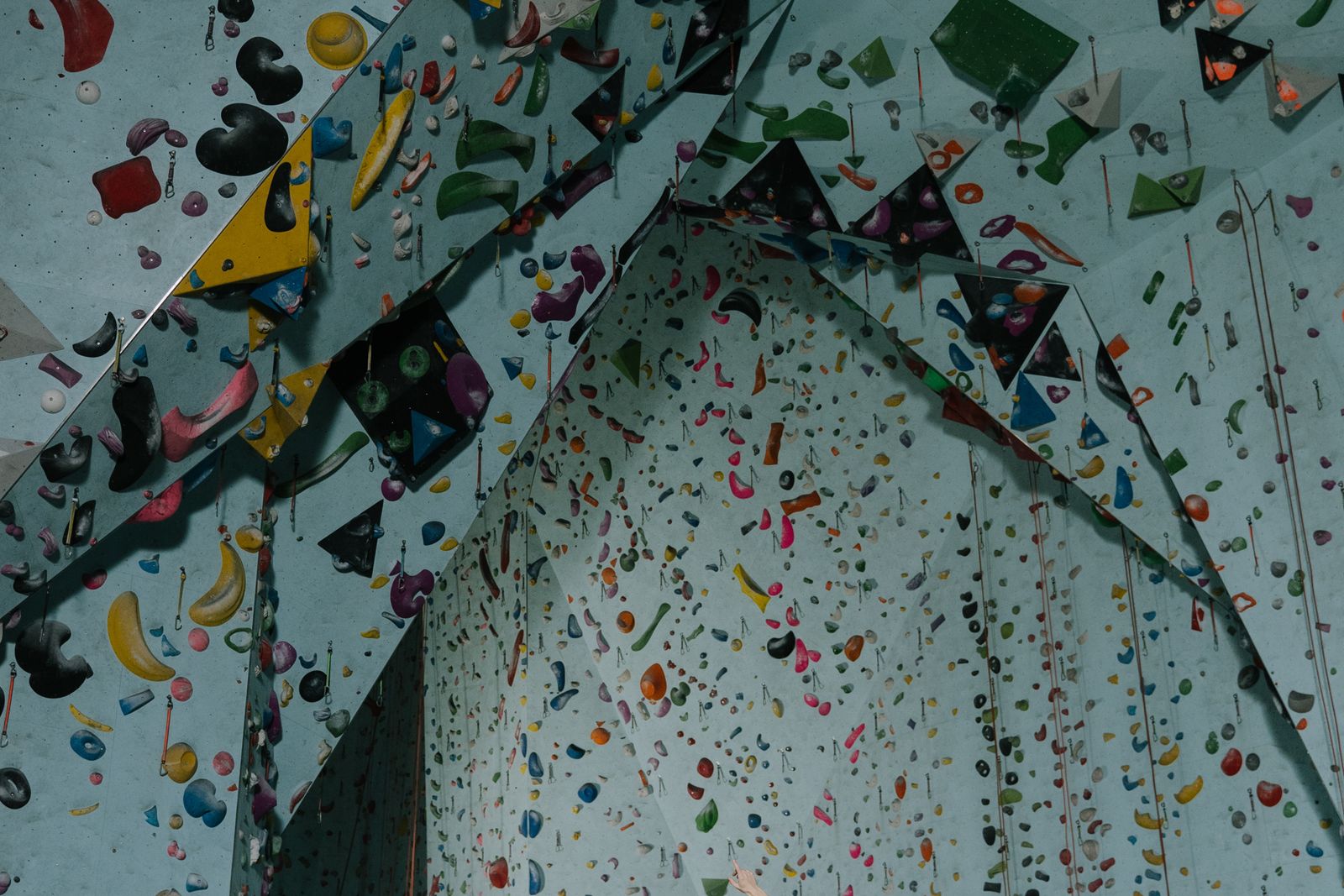
Climbing-specific imagery supports the page topic and keeps the visual story connected to real movement, routes and climbing environments.
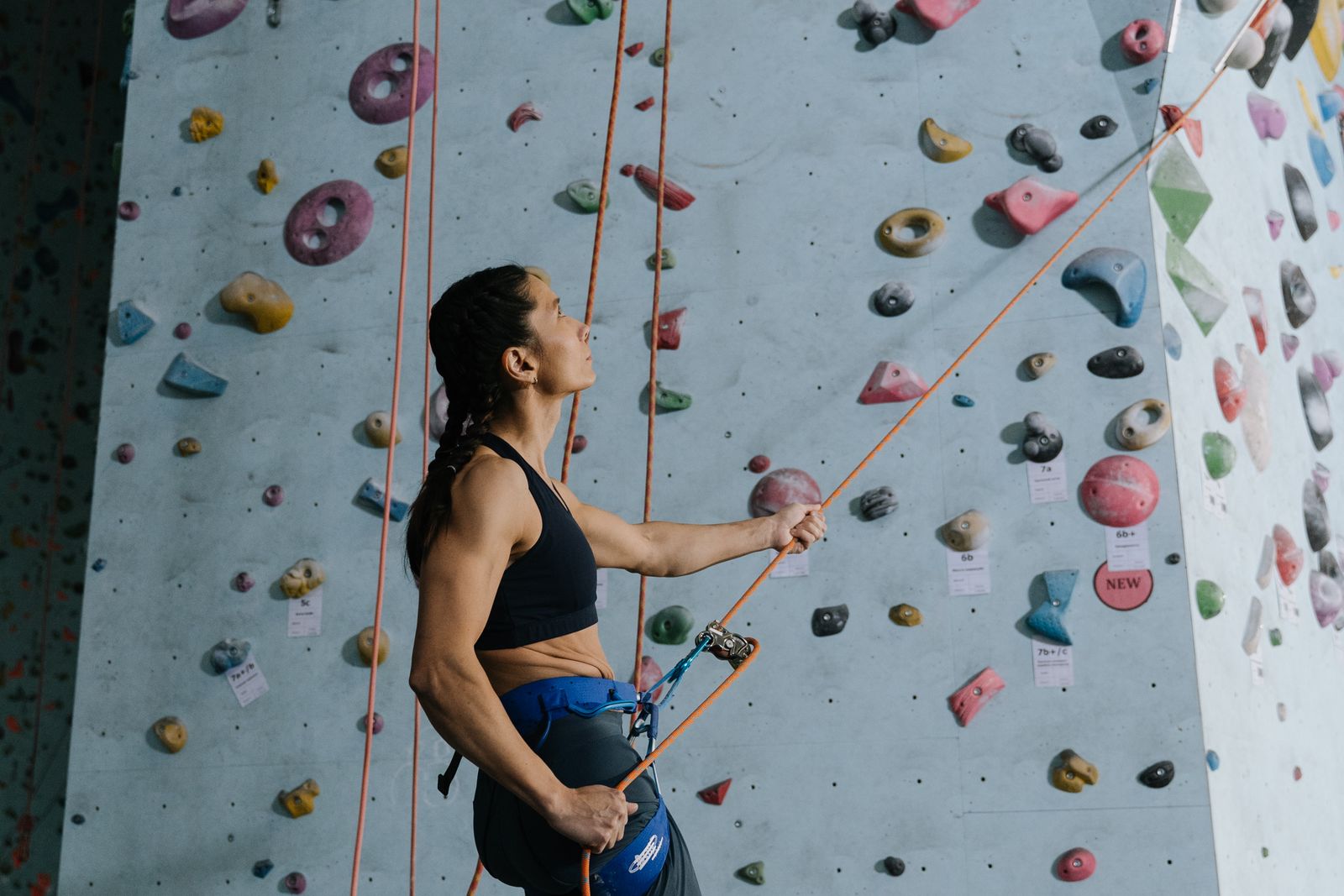
Book coaching if you want help applying route-reading and movement ideas to your own projects.
Book Movement Coaching