


A return plan works best when strength, movement, training exposure and confidence are rebuilt in stages rather than judged by one final test. Can the body tolerate relevant load? Can movement stay consistent under challenge? Has training demand increased gradually? Does the athlete trust the movement again? Compare the injured side, task demands and training tolerance. Review control during sport-relevant tasks. Build volume, speed and complexity gradually. Track symptoms, fatigue and trust in movement. Dr Maya Collins No single test can represent every demand of sport. Marcus Lee Training should become progressively more representative before full return. Daniel Hart Rehabilitation strength work should continue as sport exposure grows. Movement, daily activity and early strength Build repeatable capacity. Controlled drills and partial sessions Increase exposure without immediate competition pressure. Speed, change of direction and fatigue Make training more representative. Resume participation with review points Keep strength and recovery habits in place.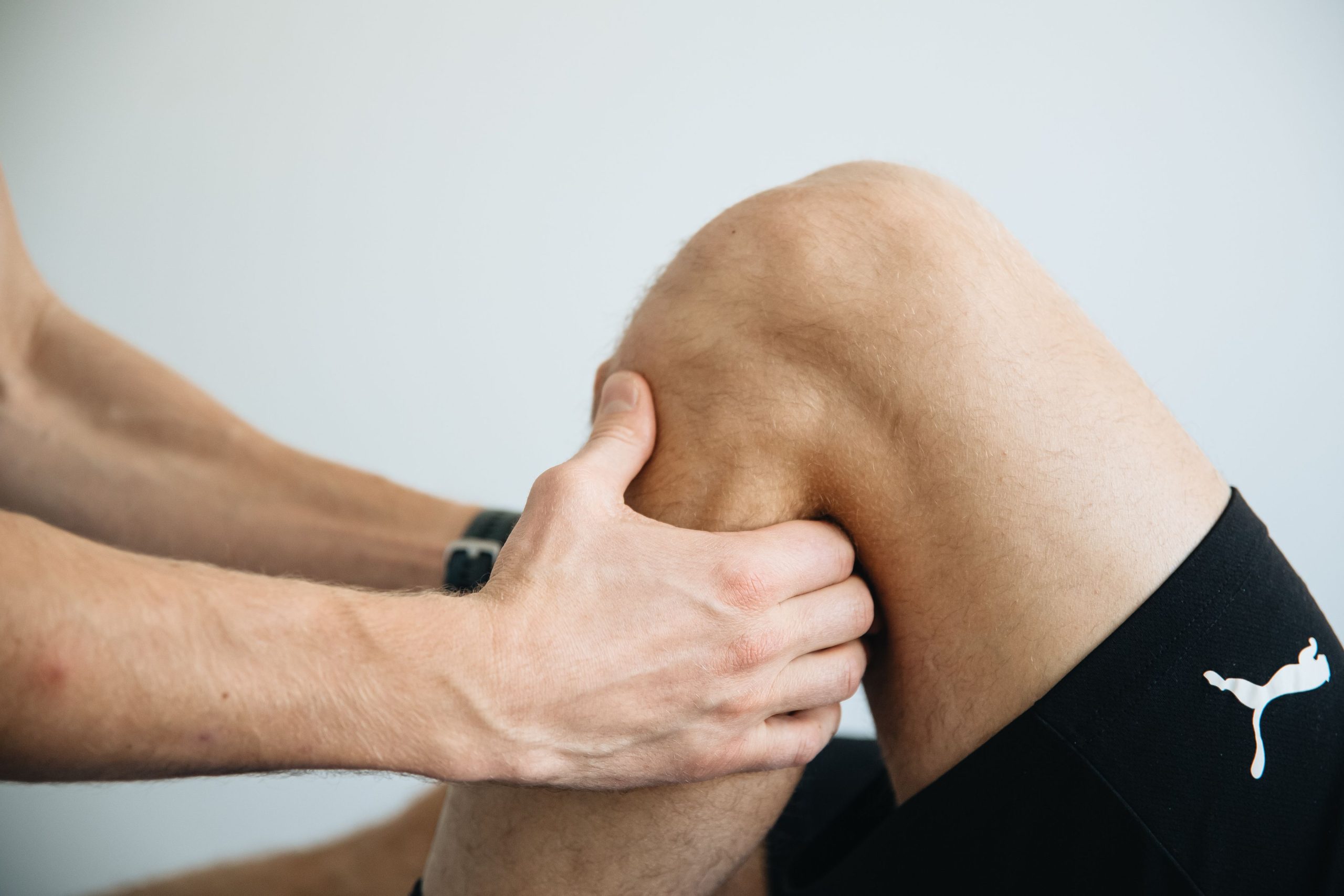
A safe framework for returning to sport.
Capacity
Control
Exposure
Confidence
Four areas should progress together.
Relevant strength
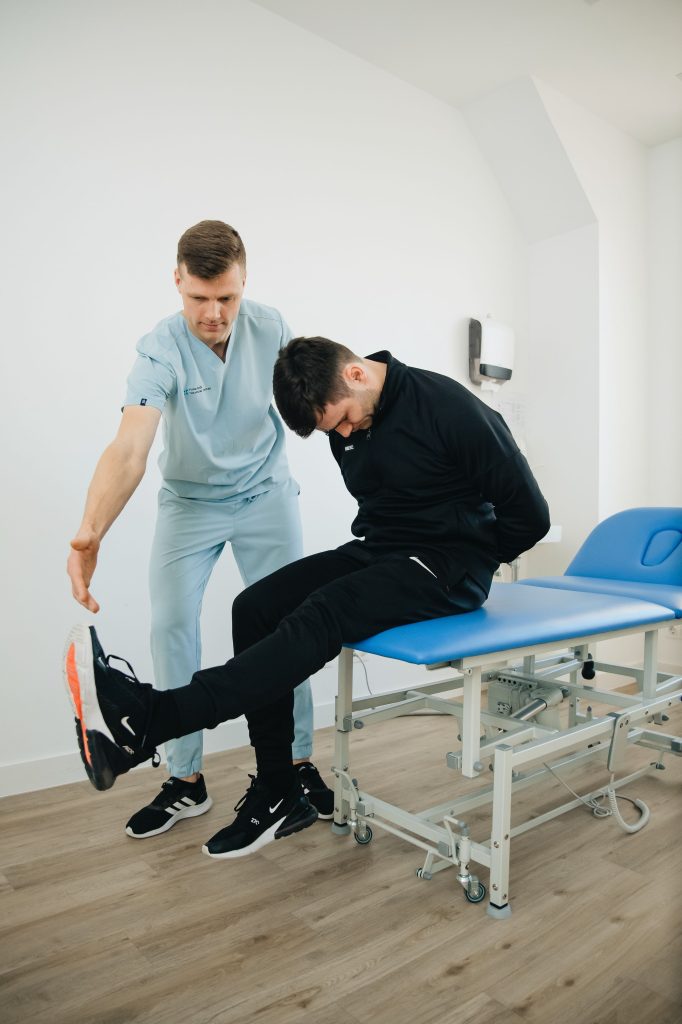
Movement quality
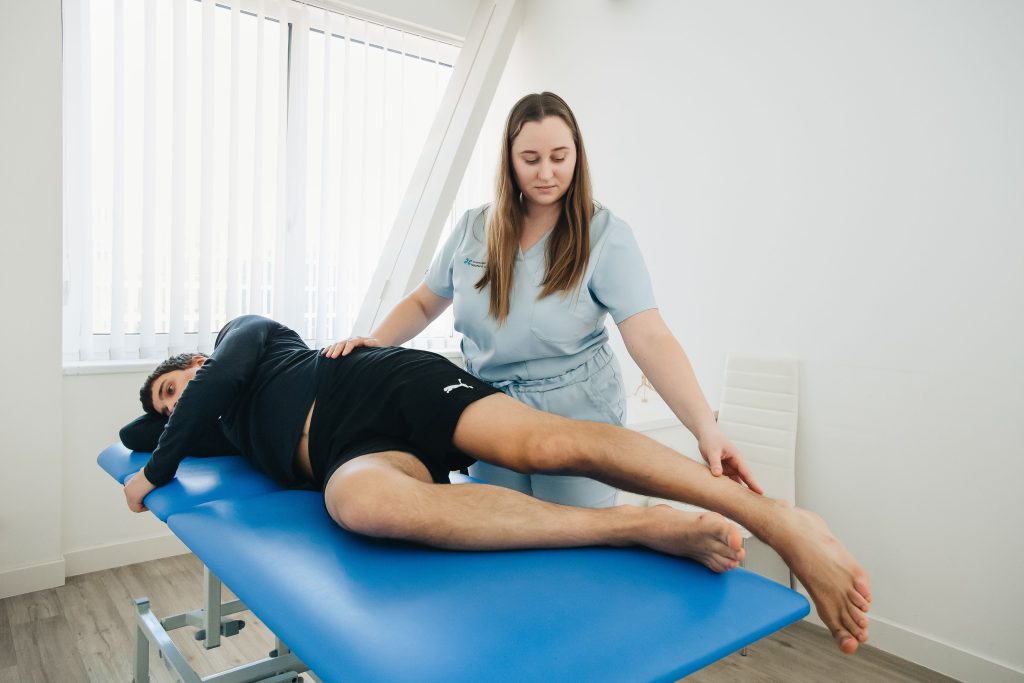
Training exposure
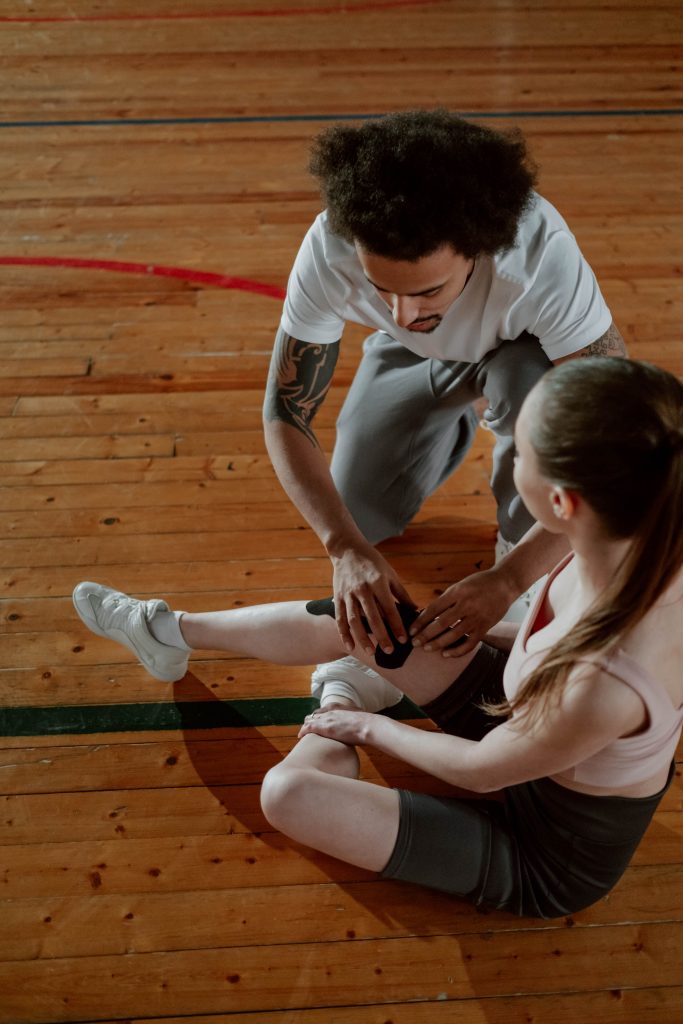
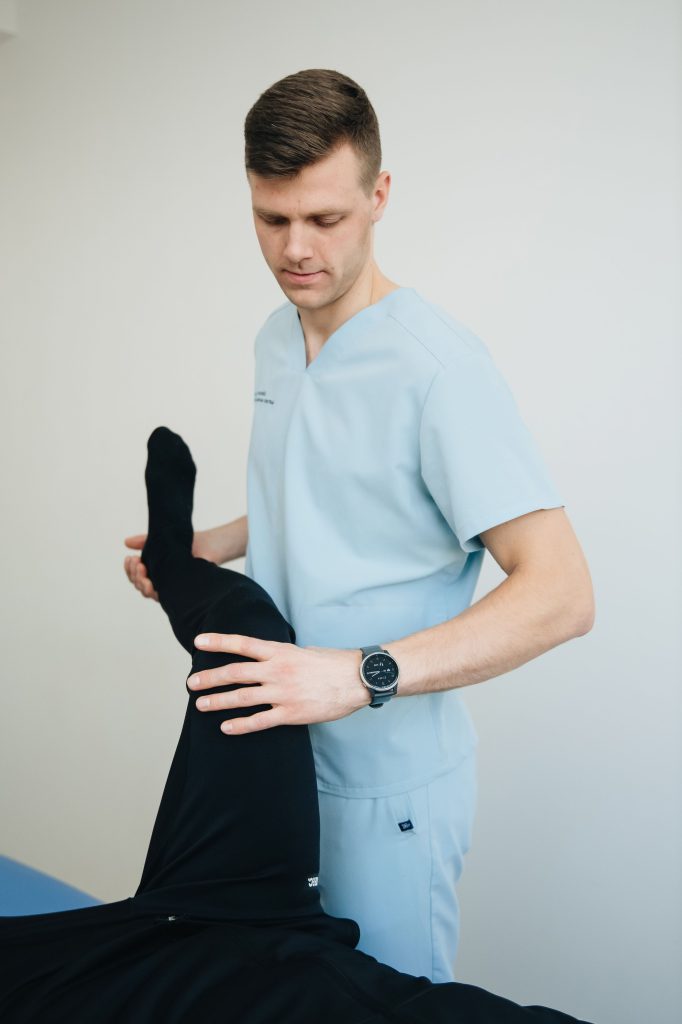
Response and confidence
Simple reminders for the final stages.
Use more than one measure
Build exposure before competition
Keep strength in the plan
Use stages that can be reviewed and adjusted.
Restore baseline
Reintroduce training
Build sport demand
Return and monitor
Assessment, exercise, strength and testing contribute different information.
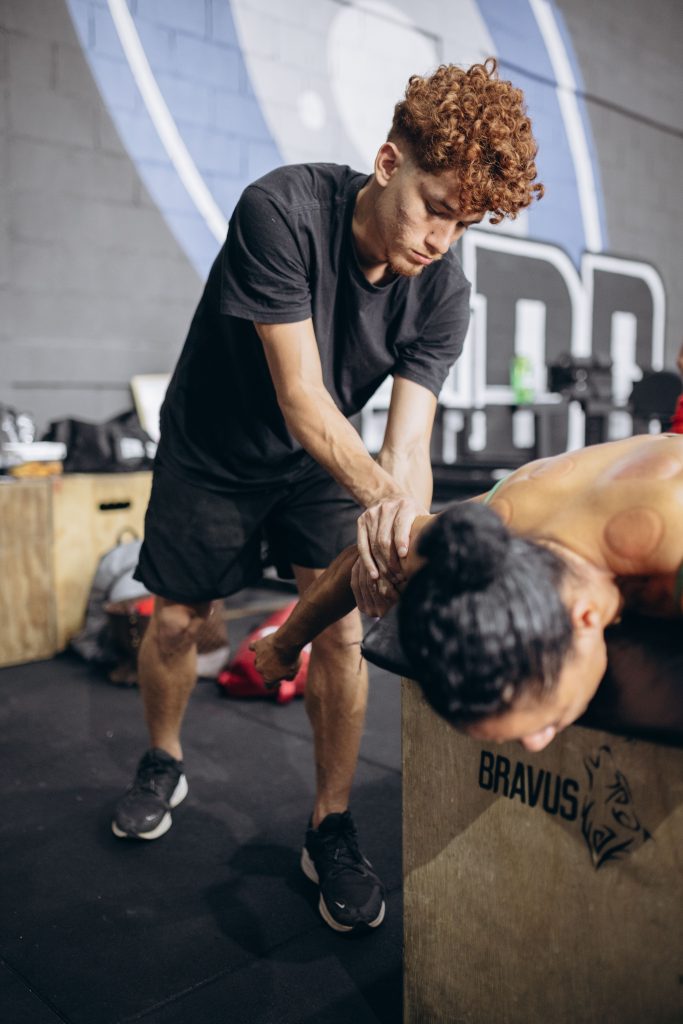
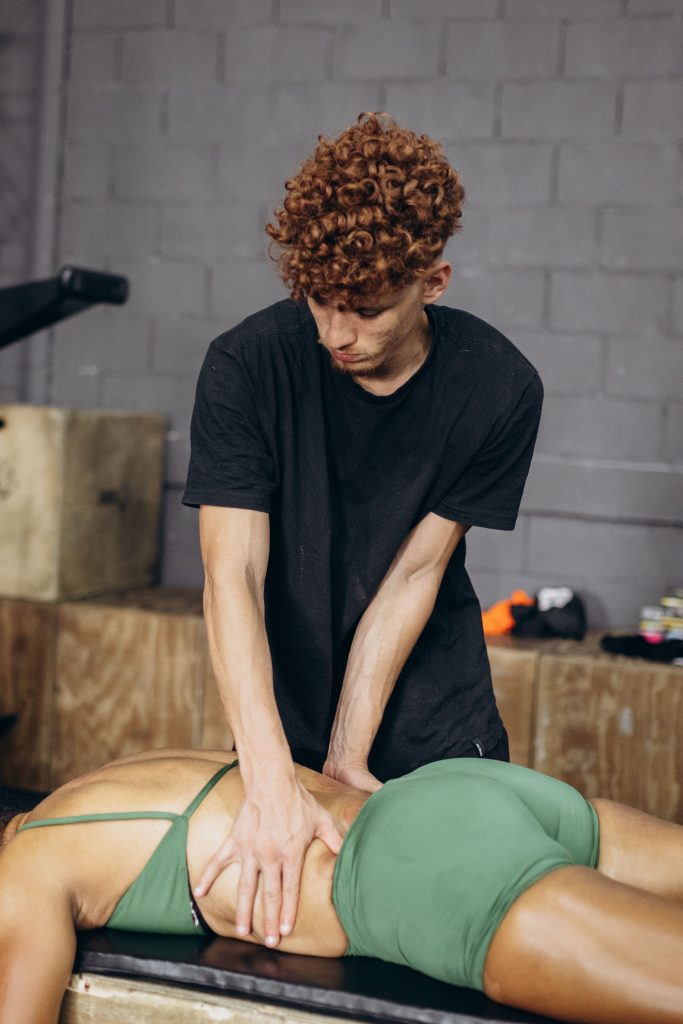
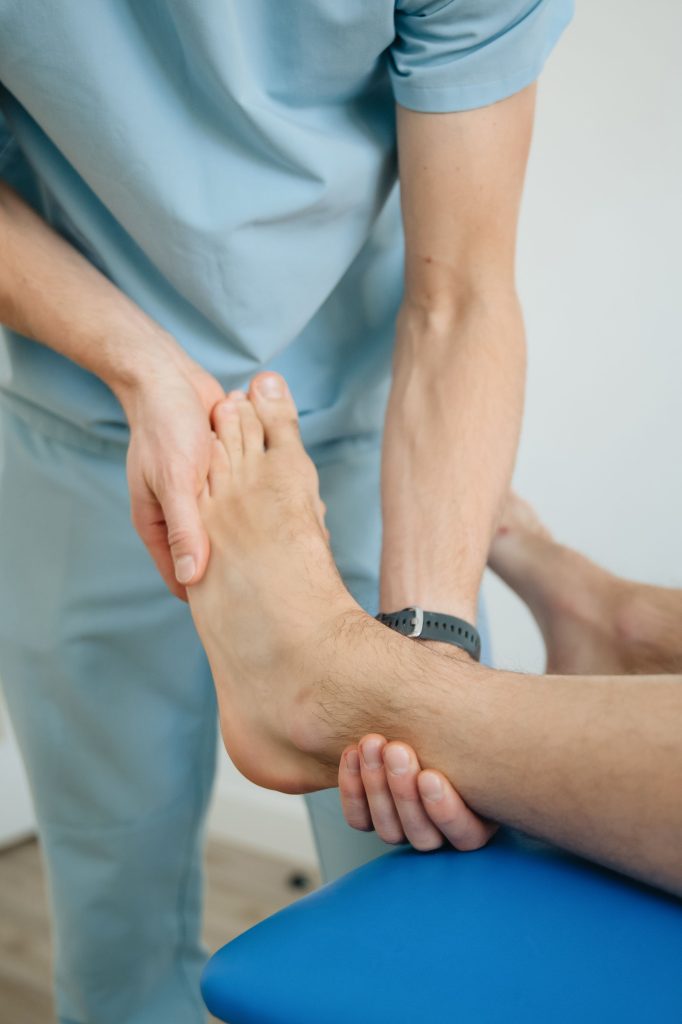
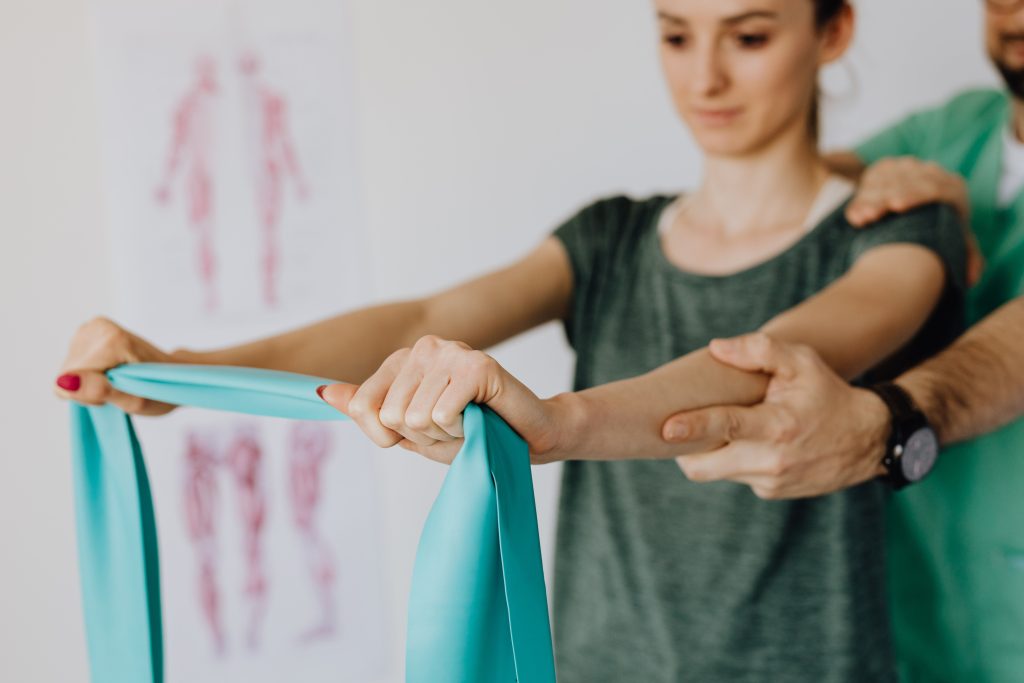
Use testing, training response and activity goals together when deciding what comes next.

Fitness, wellness and sports insights from the AdnanThemes editorial team.
Clear and practical — the four-week outline is the part I keep coming back to.
Useful piece. The section on reviewing progress answered something I had been unsure about.