Week 1
Learn the environment and establish useful baselines.
Choose a training pathway with a clear purpose, progression model and coaching standard. Learn the environment and establish useful baselines. Build consistency before chasing complexity. Progress the most important training variable. Review response and set the next block. Choose by goal and experience instead of choosing by marketing label. Open strength training with clear equipment zoning. Accessible classes built around the academic schedule. Training support for campus sport and recreation clubs. Short sessions designed for busy academic days. The concept supports students, staff and eligible campus community members. Clear zoning, equipment duplication and visible traffic flow help busy periods remain usable. Dedicated windows or zones can support club conditioning and team preparation. Yes. Simple onboarding helps new users understand the floor and basic equipment. Exercise choice, volume, intensity and coaching cues are organised around flexible campus fitness with clear zones, busy-hour flow and community programming. Know the main goal before the work begins. Adjust load or complexity without changing the purpose. Increase the variable that matters most. Check whether the pathway still matches the member. Start with a focused conversation about goals, schedule and the level of support you need.CAMPUS RECUniversity & Campus Gym Programs
CAMPUS WIDEStudents + staffPEAK HOURSDesigned for flowCLUBSCommunity activitySEMESTERFlexible cycles
ProgressionPrograms move through a clear sequence instead of random workouts.
Week 1
Week 2
Week 3
Week 4
ProgramsFour pathways, each with a different training purpose.
Campus Strength
Group Rec
Club Conditioning
Study Break Fitness
Program QuestionsChoose the right pathway before chasing more variety.
Who can use the facility?
How are peak times managed?
Are sport clubs supported?
Can beginners get an orientation?
Program ContextThe same exercise can mean something different inside a different program.
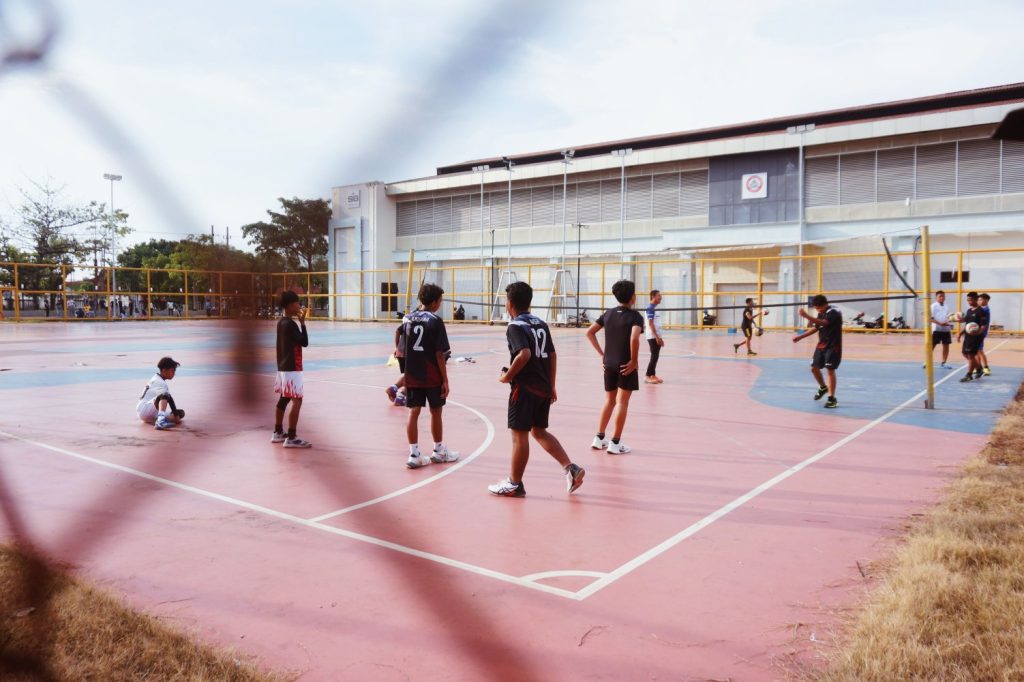
Coaching StandardEvery pathway keeps the member aware of what is changing.
Setup
Scale
Progress
Review
Take the next step with University & Campus Gym.