Attempt Sheet
Plan realistic openers and ranges.
No, but meet prep is most specific when a date is known. Yes. First meets benefit from clear commands and attempt planning. Weight-class strategy should be conservative and appropriate to the athlete. Extra structure that keeps the plan practical. Plan realistic openers and ranges. Protect the lift pattern as intensity rises. Reduce fatigue and organise warm-ups. A simple progression path makes the next step visible. Build volume and stable technique. Increase specificity. Practice heavier competition-style work. Taper, weigh in and execute. Yes, but they usually become more selective as the meet approaches. Frequency depends on experience, recovery and technical needs. Yes if responsibilities and loading decisions are clearly coordinated. The training priorities that define this home concept. Build commands, depth and confidence under heavy load. Practice setup, pause and repeatable touch point. Manage position, grip and attempt strategy. A clear sequence keeps the session easy to understand. Accumulate productive volume. Raise specificity and heavier exposure. Reduce volume while keeping confidence. Execute attempts with a clear plan. The details that change the day-to-day training experience. Train with meet-relevant setup. Use commands and realistic loading. Keep technical changes small near the meet. Clear options make it easier to match frequency and support. Eight coached strength sessions. Full meet-prep block access. Ongoing coaching and meet support. Useful outcomes built through consistent training. Plan openers and follow-up choices. Rehearse what competition demands. Reduce unnecessary work near the meet. Arrive knowing the process. Competition preparation becomes more realistic when lifters can move through warm-up, technical work and heavier attempts in a predictable environment. The club layout helps athletes rehearse the same calm process they will need on meet day. Meet prep becomes more specific as the date approaches. Commands, attempt choices and competition-style execution are rehearsed while unnecessary training stress is gradually reduced. Book a strength consultation and map the road to competition.

 Questions
Before You Start
Do I need a booked meet?
Can first-time competitors join?
Do you handle weight cuts?
Meet Prep HeadquartersSupport Layer
Attempt Sheet
Technical Review
Meet Week
Meet Prep HeadquartersProgress Path
12 Weeks Out
8 Weeks Out
4 Weeks Out
Meet Week
QuestionsPractical Details
Can I keep accessories in meet prep?
How often do I train each lift?
Can remote programming work with club sessions?
3Competition lifts12 WKSMeet-prep block1 KGLoad precision9Possible attemptsMeet Prep HeadquartersCore Focus
Squat
Bench
Deadlift
Meet Prep HeadquartersTraining Flow
Build
Intensify
Peak
Compete
Meet Prep HeadquartersHow This Home Feels
Competition Equipment
Attempt Practice
Coach Eyes
Access OptionsChoose the level that fits this training concept.
Club 8
$89Meet Prep
$149Competition Team
$219Meet Prep HeadquartersWhat You Build
Better Attempts
Specific Practice
Fatigue Control
Confidence



 Meet Prep Details
From warm-up habits to platform-specific work, small details matter.
 Meet Preparation
Competition confidence is built long before meet day.
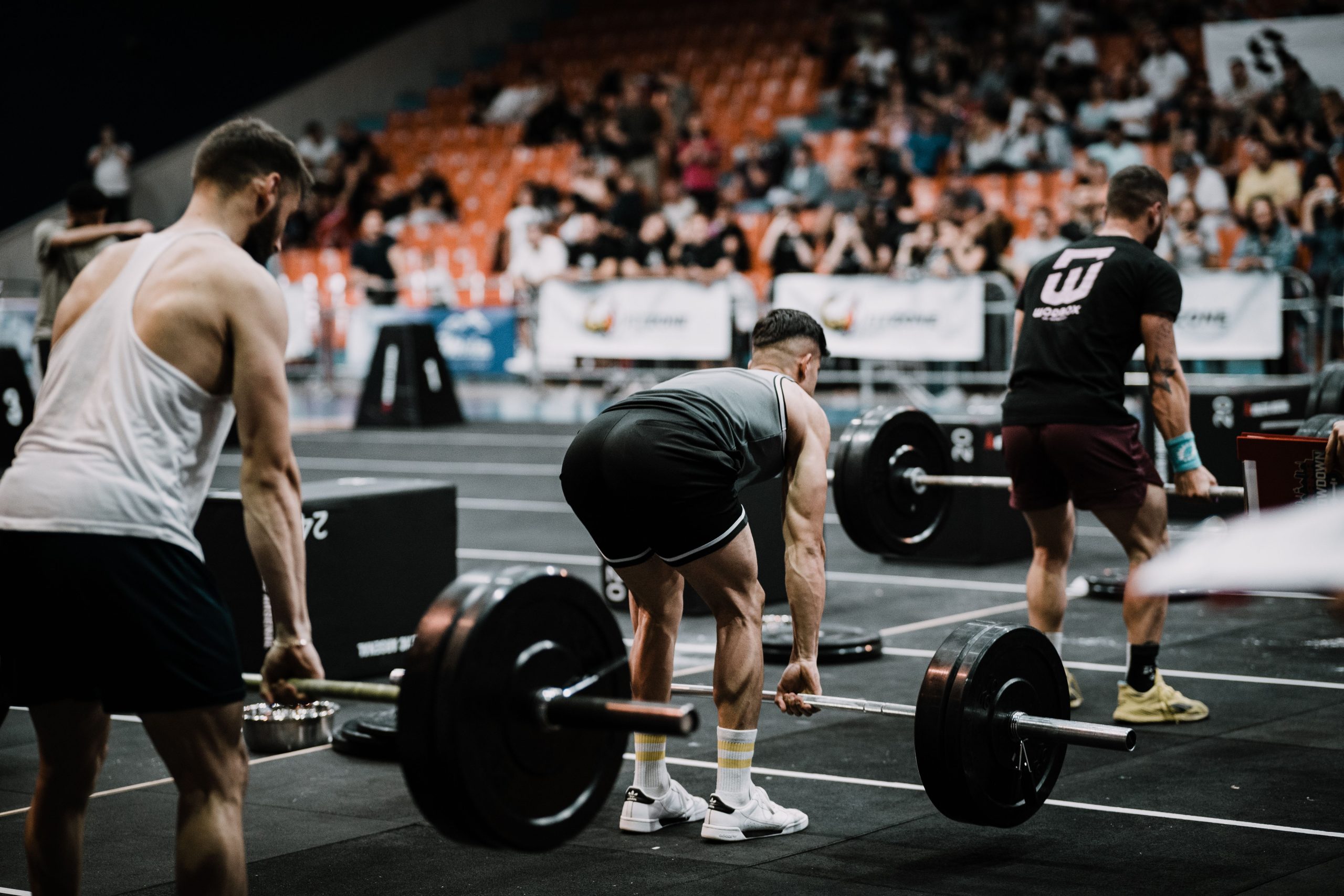
Meet day should feel familiar before you walk onto the platform.